How much does it cost of moving to Japan? Everything you need to know – Complete guide (2026)

Relocating to Japan is a dream for many foreigners. Whether you are planning to study in Tokyo, start a new job, moving to Japan is an exciting step, but many foreigners underestimate the real cost of starting a new life abroad. In this guide, we break down the real cost of moving to Japan, including the expenses you should expect before departure, during your first weeks, and after settling in.
When planning a move, most people think about the obvious expenses first: a flight ticket, a visa, and monthly rent. However, relocating to Japan involves many additional costs that can quickly add up during your first weeks, from temporary accommodation and apartment setup fees to daily expenses before you receive your first salary or settle into your new routine.
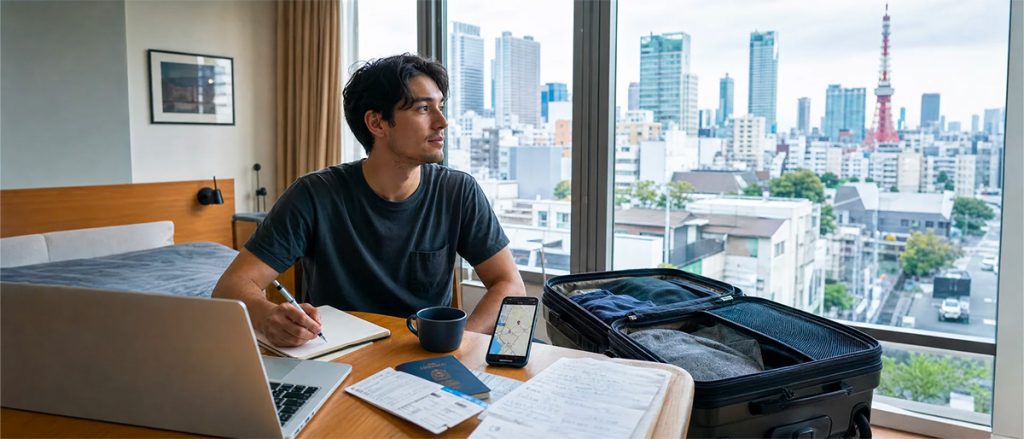
So, what is the real cost of moving to Japan?
A realistic relocation budget depends on your situation, but most foreigners should prepare between ¥800,000 and ¥1,500,000 before arriving. Students may be able to move with a smaller budget, while people relocating without a job or with a family will usually need significantly more savings.
The goal is not only to have enough money to arrive in Japan, but also to give yourself enough flexibility to handle unexpected expenses and focus on settling into your new life.
How much money should you save to cover the cost of moving to Japan?
The amount of money you need before moving to Japan depends mainly on three factors:
- Your visa type
- Your destination city
- Whether you already have accommodation and income secured
Someone arriving in Tokyo with a confirmed job and company support will have very different expenses from a student arriving alone and searching for housing after landing.
Here is a realistic estimate of the budget you should prepare:
| Situation | Recommended budget before moving |
|---|---|
| Student moving to Japan | ¥700,000 – ¥1,200,000 |
| Working Holiday participant | ¥800,000 – ¥1,500,000 |
| Professional with a job secured | ¥800,000 – ¥1,300,000 |
| Moving without a job | ¥1,500,000+ |
These amounts include the main relocation expenses:
- International flight
- Visa preparation
- Temporary accommodation
- Initial housing costs
- Transportation
- Daily expenses
- Emergency savings
The biggest mistake many foreigners make is calculating only their future monthly expenses. Before your life in Japan becomes stable, you usually need a larger initial budget to cover the transition period.
What affects the cost of moving to Japan?

There is no single answer to the question “how much does it cost to move to Japan?” because every relocation situation is different.
Several factors can significantly change your total budget.
Destination city
Japan has major differences in living costs depending on where you choose to live.
Tokyo is usually the most expensive option, especially for housing, while cities such as Osaka, Fukuoka, or regional areas can offer a lower cost of living.
For example:
- A small apartment in central Tokyo may require a much higher monthly budget.
- A similar apartment outside Tokyo can cost significantly less.
- Regional cities often provide more affordable housing options.
Your city choice can impact not only your rent but also transportation costs and your overall lifestyle expenses.
Housing choice
Housing is usually the biggest factor influencing the cost of moving to Japan.
Traditional Japanese rentals often require significant upfront payments, including:
- First month’s rent
- Security deposit
- Key money
- Agency fees
- Guarantee company fees
In some cases, moving into a traditional apartment can require several months of rent paid upfront.
However, alternatives such as furnished apartments or foreigner-friendly housing options can reduce these initial costs by avoiding furniture purchases and simplifying the move-in process.
Arrival situation
Your first months in Japan can be very different depending on whether you arrive with everything already organized.
For example:
A person who already has:
- a job offer;
- accommodation;
- airport transportation;
- local support;
will usually spend much less than someone who needs to arrange everything after arrival.
Planning your move before departure can significantly reduce unnecessary expenses.
The main cost of moving to Japan
The total cost of moving to Japan can be divided into three main phases:
Before leaving your country
These are the expenses you pay before your flight:
- Visa preparation
- Flights
- International luggage
- Insurance
- Document preparation
During your first weeks in Japan
These costs usually surprise newcomers:
- Temporary accommodation
- Transportation
- Food
- Mobile phone setup
- Administrative procedures
Setting up your new life
Once you arrive, you may need to pay for:
- Apartment-related costs
- Furniture
- Household items
- Internet installation
- Daily necessities
Understanding these three stages makes it much easier to create a realistic moving budget.
What is the biggest cost of moving to Japan?
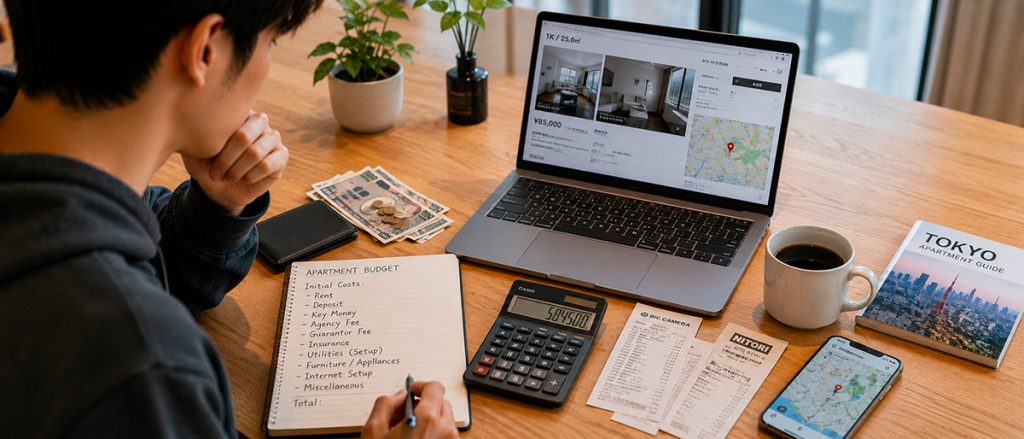
Before you start your new life in Japan, you will need to cover several one-time expenses. These costs are different from your regular monthly budget because they happen mainly before departure or during your first weeks after arrival.
Understanding these expenses is essential because many foreigners arrive with enough money to pay for daily life but underestimate the amount needed to actually settle down.
Flight costs to Japan
Your flight ticket is usually the first major expense when moving to Japan.
The price depends on:
- Your departure country
- The season
- Airline choice
- Baggage allowance
- How early you book
Average one-way flight prices:
| Departure region | Estimated cost |
|---|---|
| Europe | ¥70,000 – ¥150,000 |
| North America | ¥80,000 – ¥180,000 |
| Southeast Asia | ¥30,000 – ¥80,000 |
| South Korea | ¥20,000 – ¥50,000 |
If you are moving permanently, remember that your flight cost is not limited to the ticket itself.
Additional expenses may include:
- Extra checked luggage
- Airport transportation
- Travel insurance
- Temporary accommodation after landing
Many foreigners also make the mistake of bringing too many personal belongings. Shipping large boxes internationally can quickly become more expensive than buying everyday items after arriving in Japan.
A good approach is to bring essential items only and rebuild your daily life gradually once you are settled.
Visa and administrative preparation costs
The visa application itself is often not the biggest expense when moving to Japan. However, preparing your documents and meeting administrative requirements can create additional costs.
Depending on your situation, you may need to pay for:
- Document translations
- Official certifications
- Passport renewal
- Travel to the embassy or consulate
- Insurance requirements
- School or program fees
The total cost will vary depending on your visa type.
Students moving to Japan
International students should prepare for additional expenses such as:
- Application fees
- Enrollment fees
- Tuition deposits
- School materials
- Student insurance
Education costs are usually the biggest expense for students, especially during the first year.
Working Holiday participants
Working Holiday travelers usually need more savings because they often arrive before securing a stable income.
Your budget should cover:
- Several months of living expenses
- Accommodation
- Transportation
- Time needed to find a job
Professionals relocating to Japan
Professionals who already have a Japanese employer may have fewer upfront costs.
Some companies may support:
- Relocation expenses
- Temporary housing
- Transportation
- Administrative procedures
However, it is still recommended to have personal savings available for unexpected situations.
Temporary accommodation after arriving in Japan
One of the most underestimated expenses when moving to Japan is temporary housing.
Many foreigners assume they can immediately move into a long-term apartment after landing. In reality, this is not always possible.
You may need temporary accommodation while you:
- Search for an apartment
- Complete administrative procedures
- Wait for your residence card
- Start your new job or school
- Understand your new neighborhood
Common temporary accommodation options include:
| Accommodation type | Estimated monthly cost |
|---|---|
| Hostel | ¥50,000 – ¥100,000 |
| Share house | ¥50,000 – ¥120,000 |
| Monthly apartment | ¥80,000 – ¥200,000 |
A realistic recommendation is to prepare at least 2 to 4 weeks of temporary accommodation.
This gives you enough time to make better decisions instead of accepting the first available apartment because you urgently need somewhere to live.
For many foreigners, this period is also useful to visit neighborhoods, compare transportation options, and understand what type of housing fits their lifestyle.
Apartment move-in costs
Housing is usually the largest expense when moving to Japan.
However, the cost is not only your monthly rent. Traditional Japanese apartments often require several upfront payments before you can move in.
Common initial costs include:
- First month’s rent
- Security deposit (shikikin)
- Key money (reikin)
- Real estate agency fee
- Guarantee company fee
- Fire insurance
- Cleaning fees
- Lock replacement fees
For a traditional apartment, the initial payment can sometimes reach several months of rent.
For example:
| Expense | Example cost |
|---|---|
| Monthly rent | ¥100,000 |
| Deposit | ¥100,000 |
| Key money | ¥100,000 |
| Agency fee | ¥100,000 |
| Other fees | ¥50,000 |
| Total initial payment | ¥450,000+ |
These costs are one of the main reasons why foreigners often feel surprised when renting in Japan for the first time.
For newcomers who want a simpler relocation experience, furnished apartments and flexible rental solutions can help reduce upfront costs by avoiding large furniture purchases and complicated setup procedures.
Furniture and household setup costs
If you rent an unfurnished apartment, you will need to create your new home from scratch.
Common first purchases include:
- Bed and mattress
- Desk and chair
- Curtains
- Kitchen equipment
- Storage solutions
- Cleaning supplies
- Daily necessities
Estimated setup budget:
| Setup style | Estimated cost |
|---|---|
| Minimal setup | ¥30,000 – ¥80,000 |
| Comfortable setup | ¥100,000 – ¥300,000 |
The final amount depends on your lifestyle and whether you buy new or second-hand items.
Japan has many affordable options for furnishing an apartment, including:
- Second-hand stores
- Online marketplaces
- Discount furniture stores
- Recycling shops
However, furniture is still a cost that many foreigners forget when calculating the cost of moving to Japan.
This is one reason why furnished housing can be especially attractive for:
- International students
- Working Holiday participants
- Short-term residents
- People moving before knowing how long they will stay
Mobile phone, internet and daily setup costs
Setting up basic services after arriving in Japan also requires some initial spending.
You may need:
- A Japanese SIM card or mobile plan
- Internet installation
- Transportation card
- Basic household supplies
- Bank account-related expenses
A realistic initial budget:
| Item | Estimated cost |
|---|---|
| SIM card / mobile setup | ¥3,000 – ¥10,000 |
| Internet setup | ¥5,000 – ¥20,000 |
| Transportation card | ¥2,000 – ¥10,000 |
| Household essentials | ¥10,000 – ¥30,000 |
These expenses may seem small individually, but together they can add several tens of thousands of yen during your first weeks.
Emergency savings before moving to Japan
An emergency fund is one of the most important parts of your relocation budget.
Even with careful planning, unexpected situations can happen:
- Finding a job takes longer than expected
- Housing plans change
- Medical expenses appear
- You need to replace important items
- Administrative procedures cost more than expected
A recommended emergency fund:
| Situation | Suggested savings |
|---|---|
| Minimum safety buffer | ¥300,000 |
| Comfortable buffer | ¥500,000 – ¥1,000,000 |
| More flexibility | ¥1,500,000+ |
Your emergency savings should be considered separate from your relocation expenses.
The goal is not simply to arrive in Japan, but to have enough financial flexibility to adapt once you are there.
A realistic breakdown of your initial budget to cover the cost of moving to Japan
To summarize, here is an example of the one-time costs a foreigner may face when moving to Japan:
| Expense category | Estimated cost |
|---|---|
| Flight | ¥50,000 – ¥150,000 |
| Visa and preparation | ¥10,000 – ¥100,000+ |
| Temporary accommodation | ¥50,000 – ¥150,000 |
| Apartment initial costs | ¥200,000 – ¥600,000+ |
| Furniture and setup | ¥50,000 – ¥300,000 |
| Mobile, internet, essentials | ¥20,000 – ¥50,000 |
| Emergency savings | ¥300,000 – ¥1,000,000+ |
A realistic initial relocation budget is therefore often between:
¥800,000 and ¥1,500,000
This amount gives most foreigners enough flexibility to arrive, settle down, and handle unexpected costs without unnecessary stress.
What will your monthly budget look like after moving to Japan?
Once you have arrived in Japan and completed your initial setup, your expenses become much more predictable.
Unlike your relocation budget, which includes many one-time payments, your monthly cost of living in Japan mainly depends on your lifestyle, your city, and your housing choice.
For most foreigners, the biggest monthly expenses are:
- Rent
- Food
- Utilities
- Transportation
- Mobile phone and internet
- Leisure activities
A realistic monthly budget after moving to Japan usually ranges from:
| Lifestyle | Monthly budget estimate |
|---|---|
| Budget lifestyle | ¥120,000 – ¥180,000 |
| Comfortable lifestyle | ¥180,000 – ¥300,000 |
| Higher-spending lifestyle | ¥300,000+ |
The biggest factor influencing your monthly budget will usually be your housing situation.
Housing costs in Japan
Rent is typically the largest monthly expense when living in Japan.
The price depends on:
- The city
- The neighborhood
- Apartment size
- Distance from the train station
- Whether the apartment is furnished
Average monthly rent:
| Location | Studio / small apartment |
|---|---|
| Tokyo | ¥80,000 – ¥150,000+ |
| Osaka | ¥50,000 – ¥100,000 |
| Kyoto | ¥50,000 – ¥100,000 |
| Fukuoka | ¥40,000 – ¥80,000 |
| Regional cities | ¥30,000 – ¥70,000 |
Tokyo offers many professional and cultural opportunities, but housing costs can significantly increase your monthly budget.
On the other hand, cities such as Osaka, Fukuoka, or regional areas can provide a more affordable lifestyle while still offering excellent transportation and quality of life.
When planning your cost of moving to Japan, choosing the right city can make a major difference in how much money you need each month.
Utilities and internet costs
Rent is only one part of your monthly housing expenses.
After moving to Japan, you will also need to pay for essential services such as:
- Electricity
- Gas
- Water
- Internet
- Mobile phone
Average monthly costs:
| Expense | Estimated monthly cost |
|---|---|
| Electricity | ¥5,000 – ¥10,000 |
| Gas | ¥3,000 – ¥8,000 |
| Water | ¥2,000 – ¥3,000 |
| Internet | ¥4,000 – ¥6,000 |
| Mobile phone | ¥2,000 – ¥8,000 |
Utility costs can change depending on your lifestyle and the season.
For example:
- Electricity bills can increase significantly during summer because of air conditioning.
- Gas expenses can rise during winter because of heating and hot water.
- Larger apartments generally have higher utility costs.
Many foreigners underestimate these expenses because they focus only on rent when calculating their monthly budget.
For a more detailed breakdown, see:
How much are utilities in Japan? Electricity, gas, water and internet explained
Food costs in Japan
Food is one of the categories where your lifestyle choices have the biggest impact.
Japan can be affordable if you cook regularly, but eating out frequently in major cities can increase your monthly expenses quickly.
Average monthly food budget:
| Lifestyle | Monthly food cost |
|---|---|
| Mostly cooking at home | ¥30,000 – ¥50,000 |
| Mixed cooking and eating out | ¥50,000 – ¥80,000 |
| Frequent restaurants | ¥80,000 – ¥120,000+ |
Cooking at home is relatively easy in Japan thanks to:
- Affordable supermarkets
- Local markets
- Discount food stores
- Convenient meal options
At the same time, Japan has many affordable restaurants where you can eat a complete meal for a reasonable price.
Examples:
- Convenience store meals: ¥300 – ¥700
- Casual restaurants: ¥700 – ¥1,200
- Mid-range restaurants: ¥1,500 – ¥3,000+
Your food budget will depend more on your habits than on the country itself.
Transportation costs
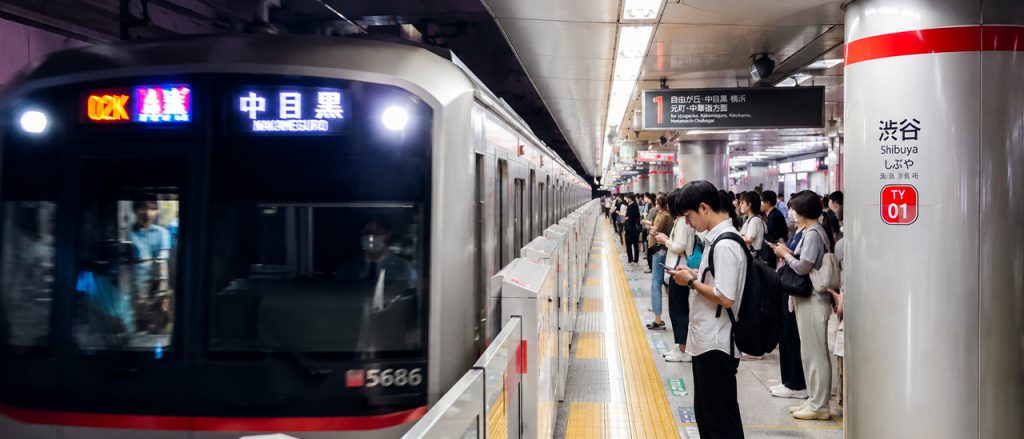
Japan has one of the world’s most efficient public transportation systems, which makes living without a car possible in most major cities.
Average monthly transportation costs:
| Situation | Monthly cost |
|---|---|
| Mostly walking or cycling | ¥0 – ¥5,000 |
| Regular train and bus usage | ¥5,000 – ¥15,000 |
| Frequent travel | ¥15,000+ |
If you work for a Japanese company, your employer may cover commuting costs, which can significantly reduce your monthly expenses.
For students and foreigners living in large cities, choosing housing close to a convenient train line can also help reduce transportation costs.
Entertainment and personal expenses
Your lifestyle outside of essential expenses will determine a large part of your remaining budget.
Common monthly personal expenses include:
- Shopping
- Cafés
- Entertainment
- Travel
- Fitness
- Hobbies
- Social activities
Estimated monthly budget:
| Lifestyle | Personal expenses |
|---|---|
| Minimal | ¥10,000 – ¥30,000 |
| Balanced | ¥30,000 – ¥70,000 |
| Active social lifestyle | ¥70,000+ |
Japan offers many low-cost activities, such as:
- Parks
- Museums
- Local events
- Hiking
- Neighborhood exploration
However, major cities such as Tokyo can also make it easy to spend more if you frequently visit restaurants, bars, and entertainment venues.
Example monthly budgets after moving to Japan
To better understand the real cost of living in Japan, here are three realistic examples.
Student living in Japan
A student living in a shared apartment or affordable studio:
| Expense | Monthly cost |
|---|---|
| Rent | ¥60,000 |
| Utilities | ¥10,000 |
| Food | ¥40,000 |
| Transportation | ¥5,000 |
| Phone | ¥3,000 |
| Personal expenses | ¥20,000 |
| Total | Around ¥140,000/month |
This represents a relatively budget-conscious lifestyle.
Young professional living in Tokyo
A foreign professional renting a private apartment:
| Expense | Monthly cost |
|---|---|
| Rent | ¥100,000 |
| Utilities | ¥15,000 |
| Food | ¥60,000 |
| Transportation | ¥10,000 |
| Phone and internet | ¥8,000 |
| Personal expenses | ¥50,000 |
| Total | Around ¥240,000/month |
This allows for a comfortable lifestyle while still managing expenses.
How your first months in Japan may differ from your long-term budget
It is important to understand that your first months in Japan will usually be more expensive than your normal lifestyle.
During the first few months, you may need to pay for:
- Apartment setup
- New clothes suitable for the weather
- Household items
- Administrative procedures
- Additional transportation
- Unexpected purchases
For this reason, your relocation budget should include more than just your expected monthly expenses.
A person who normally needs ¥180,000 per month to live comfortably may still need ¥1,000,000 or more in savings before moving because the initial transition period requires additional spending.
Understanding this difference is one of the keys to successfully planning the cost of moving to Japan.
For many foreigners, ¥1,000,000 is a reasonable minimum target, but having closer to ¥1,500,000 provides much more flexibility.
How to reduce the cost of moving to Japan?

Moving abroad is expensive, but many relocation costs can be reduced with better preparation.
The biggest savings usually come from planning your housing strategy carefully.
Choose your housing before arriving
One of the most common mistakes foreigners make is arriving in Japan without a clear housing plan.
This often leads to:
- Expensive temporary accommodation
- Rushed apartment decisions
- Unexpected moving costs
Researching neighborhoods and housing options before departure can help you choose a solution that matches your budget.
For foreigners, flexible and furnished housing options can simplify the process by reducing upfront costs and avoiding the need to purchase everything immediately.
Consider furnished accommodation
Furniture can represent a significant expense when starting from zero.
A furnished apartment allows you to avoid buying:
- Bed
- Mattress
- Desk
- Kitchen equipment
- Storage furniture
This can save hundreds of thousands of yen, especially for short-term residents or people who are not sure how long they will stay.
Avoid unnecessary apartment fees
Traditional Japanese rentals often include several initial costs.
When comparing housing options, pay attention to:
- Deposit requirements
- Key money
- Agency fees
- Guarantee company fees
- Additional charges
Choosing a housing option with simpler pricing can significantly reduce the initial cost of moving to Japan.
Do not ship everything from your home country
International shipping is expensive.
Before moving, ask yourself:
- Can I buy this item in Japan?
- Is it cheaper to replace it locally?
- Will I use it long-term?
In many cases, bringing only essential items and buying locally is the more affordable option.
Build your budget around your first three months
Many relocation plans fail because people only calculate the cost of arriving.
A safer approach is to prepare enough money for your arrival, first apartment, first salary period and unexpected expenses.
The first three months are usually the most financially unpredictable.
Having extra savings gives you more freedom to make better decisions.
Final checklist: how much does it cost of moving to Japan?
Before moving to Japan, make sure your budget includes:
| Expense | Included? |
|---|---|
| Flight ticket | ✓ |
| Visa preparation | ✓ |
| Temporary accommodation | ✓ |
| Apartment initial costs | ✓ |
| Furniture and essentials | ✓ |
| Food and transportation | ✓ |
| Mobile and internet | ✓ |
| Emergency savings | ✓ |
For most foreigners, a realistic relocation budget is:
- ¥800,000 – ¥1,000,000: possible with careful planning
- ¥1,000,000 – ¥1,500,000: comfortable for many situations
- ¥1,500,000+: safer and more flexible
The real cost of moving to Japan is not just the money required to arrive. It is the budget that allows you to settle comfortably, handle unexpected situations, and start your new life without unnecessary financial pressure.
Frequently asked questions about the cost of moving to Japan
How much money should I save to cover the cost of moving to Japan?
Most foreigners should aim to save between ¥800,000 and ¥1,500,000 before moving to Japan. The ideal amount depends on whether you already have a job, where you plan to live, and whether your accommodation is already arranged.
Is Japan expensive to move to?
The relocation process itself can be expensive because of upfront housing costs, temporary accommodation, and setup expenses. However, daily life in Japan can be affordable depending on your city and lifestyle.
What is the biggest expense when moving to Japan?
Housing is usually the largest expense. Traditional apartments often require several upfront payments, while furniture and initial setup costs can also add significantly to your budget.
Can I move to Japan without a job?
Yes, but you should have enough savings to support yourself while searching for employment. Without a confirmed income, preparing a larger emergency fund is recommended.
Start planning your move to Japan
Moving to Japan requires more than just buying a plane ticket. With the right preparation, understanding your expenses in advance can make the transition much smoother.
From choosing the right city to finding accommodation that matches your budget, every decision can impact your experience during your first months in Japan.
If you are looking for housing before arriving, explore Enkostay to find flexible accommodation options designed for foreigners, including furnished apartments and easier move-in solutions.
Continue your Japan relocation journey: