How to rent an apartment in Japan as a Foreigner: Everything you need to know before you move (2026)

Moving to Japan and need to rent an apartment in Japan? Here’s everything you need to know to find the right apartment, avoid expensive mistakes, and choose the best housing option for your situation.
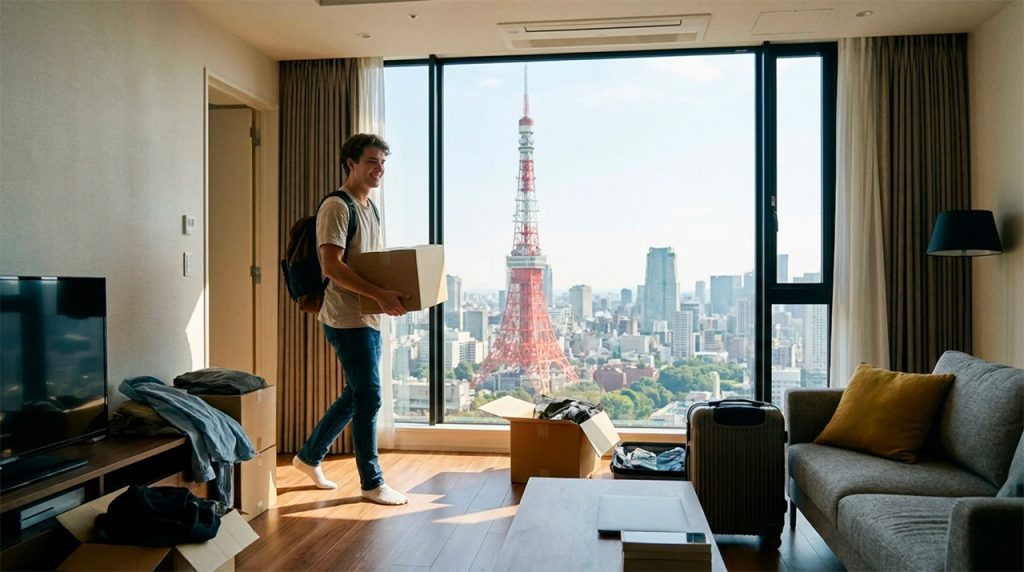
Moving to Japan? Start with the right housing strategy
Many people think it’s difficult to rent an apartment in Japan, but the process is much simpler than you might expect.
What’s confusing is that most advice online explains how the Japanese rental system works, but very little helps you understand which option actually makes sense for you.
That’s an important difference.
A university student staying in Tokyo for six months doesn’t need the same type of housing as someone relocating with a long-term work visa. Likewise, someone moving from Seoul has different advantages and different priorities than someone arriving from Europe or North America.
Choosing the wrong accommodation can easily cost you several hundred thousand yen in unnecessary fees before you’ve even unpacked your suitcase. Choosing the right one can make your first weeks in Japan dramatically easier.
This guide isn’t just about renting an apartment. It’s about making the right decisions before you sign anything.
Whether you’re moving to Japan to study, start a new job, take a Working Holiday, or simply stay for a few months, this guide will help you understand your options, compare them objectively, and avoid the mistakes that many newcomers only discover after they arrive.
The five things you should know before renting in Japan
If you’re short on time, these are the five most important lessons from this guide.
✔ Don’t compare apartments by monthly rent alone. Compare the total cost of moving in, including deposits, agency fees, guarantor fees, furniture and other upfront expenses.
✔ Your length of stay should determine your housing choice. The best apartment for a six-month exchange student is rarely the best apartment for someone planning to live in Japan for five years.
✔ Traditional apartments aren’t always the smartest starting point. For many newcomers, a furnished apartment offers more flexibility, fewer surprises and a much easier move.
✔ Start your housing search about one to two months before moving. Searching too early can be just as frustrating as searching too late, especially for properties with immediate availability.
✔ Think beyond the apartment itself. Your commute, move-in costs, flexibility and daily lifestyle often matter more than saving a few thousand yen on monthly rent.
Now let’s look at how to make the right decisions from the very beginning.
Before looking at apartments, decide how you want to live in Japan
Before comparing apartments, you should answer one question:
How long do you actually expect to stay in Japan? Not how long your visa allows you to stay. Not how long you hope you’ll stay. Or how long you realistically expect to live there.
This single decision influences almost everything that comes afterwards: the type of housing you should choose, how much money you’ll need upfront, whether buying furniture makes sense, and even which neighborhoods deserve your attention.
For example, imagine two people moving to Tokyo.
The first is an exchange student who will stay for one semester before returning home.
The second has accepted a full-time job and plans to build a long-term career in Japan.
They could both rent the exact same apartment but that doesn’t mean they should.
The student will probably benefit more from flexibility, a furnished apartment and an easy move-in process. Paying slightly higher monthly rent may actually reduce their overall costs because they avoid buying furniture, paying multiple upfront fees or committing to a long lease.
The employee, on the other hand, may eventually save money with a traditional apartment once they’re settled, have a stable income and know which neighborhood suits their lifestyle.
This is why there’s no such thing as the best apartment in Japan. There’s only the apartment that’s best for your situation.
Which housing option usually makes the most sense?
| Your situation | Recommended housing |
| Exchange student (3-6 months) | Furnished apartment |
| Working Holiday (6-12 months) | Furnished apartment of flexible monthly rental |
| Language school student | Furnished apartment |
| First job in Japan | Furnished apartment, then consider a tradition lease later |
| Long term employee (2+ years) | Traditional apartment after settling in |
| Family relocating permanently | Traditional apartment |
These aren’t strict rules. They’re starting points.
As you continue reading, you’ll understand why so many international residents begin with one type of accommodation before switching to another later.
Related guides
• Traditional Apartments vs Furnished Apartments in Japan
• How Much Does It Really Cost to Move to Japan?
Why Renting in Japan Feels So Complicated (It’s Not Because You’re a Foreigner)
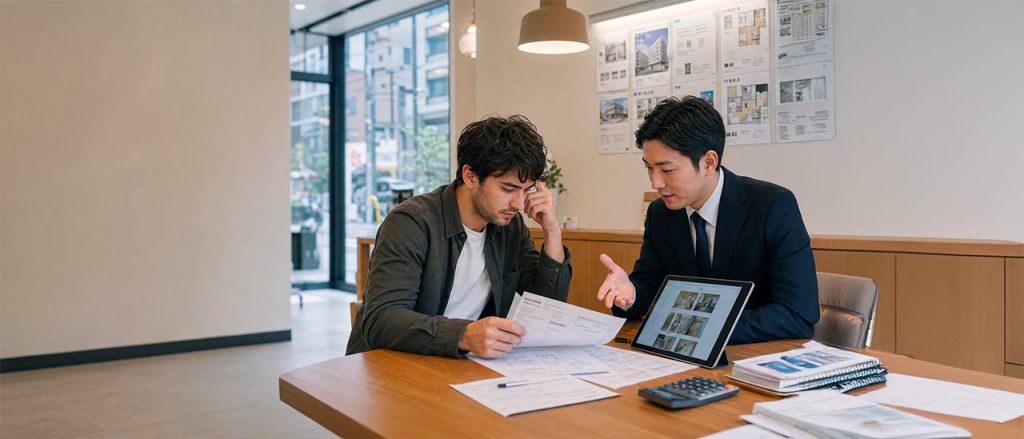
Ask anyone who has recently moved to Japan what surprised them most about finding an apartment, and you’ll probably hear the same answer:
“I wasn’t expecting the rental system to work like this.”
Many people assume that foreigners struggle because landlords don’t rent to international residents.
While language barriers and individual landlord preferences can sometimes make the process more challenging, they aren’t the main reason renting feels complicated.
The real issue is much simpler.
Japan’s rental market was designed for people who already live in Japan.
It assumes that applicants already have:
- a Japanese address,
- a local bank account,
- a stable income,
- the ability to communicate in Japanese,
- and, in many cases, someone who can act as a guarantor.
For someone arriving from overseas, those assumptions don’t always apply.
That’s why many newcomers feel overwhelmed.
They’re trying to fit into a system that wasn’t originally designed around their situation.
The good news is that this doesn’t mean renting is impossible.
In fact, it’s never been easier for foreigners to find accommodation in Japan than it is today.
Over the last decade, more housing providers have started offering furnished apartments, English-language support, online reservations and flexible contracts specifically for international residents.
Instead of trying to navigate every part of the traditional rental market immediately, many newcomers choose accommodation designed for people in exactly the same situation as them.
It’s often a simpler way to start life in Japan before deciding whether a traditional lease makes sense in the long run.
The Apartment That Looks Cheapest Is Often the Most Expensive
If you only remember one thing from this guide, make it this: Never compare apartments by monthly rent alone.
This is probably the mistake that costs newcomers the most money.
Imagine you’re comparing two apartments in Tokyo.
| Apartment A | Apartment B |
| Monthly rent : ¥75,000 | Monthly rent : ¥95,000 |
| Unfurnished | Fully furnished |
| Tradition lease | Flexible furnished rental |
At first glance, Apartment A looks like the obvious choice. After all, it’s ¥20,000 cheaper every month.
But that’s only part of the picture.
To move into Apartment A, you may also need to pay:
- A security deposit
- Key money
- An agency fee
- A guarantor company fee
- The first month’s rent
- Fire insurance
- Furniture and appliances
- Utility setup costs
Suddenly, the “cheaper” apartment can require ¥350,000 to ¥600,000 before you’ve even received the keys.
Apartment B might have a higher monthly rent, but if it includes furniture, fewer upfront costs and allows you to move in immediately, your total cost during a six or twelve-month stay could actually be lower.
That’s why experienced expats don’t ask:
“Which apartment has the lowest rent?”
They ask:
“Which apartment will cost me the least from the day I move in until the day I leave?”
It’s a completely different way of comparing properties and one that can save you a significant amount of money.
Before you decide to rent an apartment in Japan, compare the real costs
If you’re planning to stay in Japan for less than a year, always compare the total cost of your stay, not just the monthly rent.
| Traditional Apartment | Furnished Apartment | |
| Montly Rent | Lower | Higher |
| Deposit | Usually required | Often lower or not required |
| Key Money | Sometimes required | Rare |
| Furniture | Have to buy everything | Included |
| Wi-Fi | Set-up yourself | Often included |
| Utilities | Separate contracts | Sometimes included |
| Best for | Long-term stays | Short to medium-term stays |
| Move-in speed | Slower | Faster |
Which Type of Housing Is Right for You?
One of the biggest misconceptions about renting in Japan is that everyone follows the same path.
In reality, there isn’t one housing market, there are several.
Each option has its own advantages, costs and level of flexibility.
Choosing the right one depends less on your budget than on your plans.
Traditional Apartment
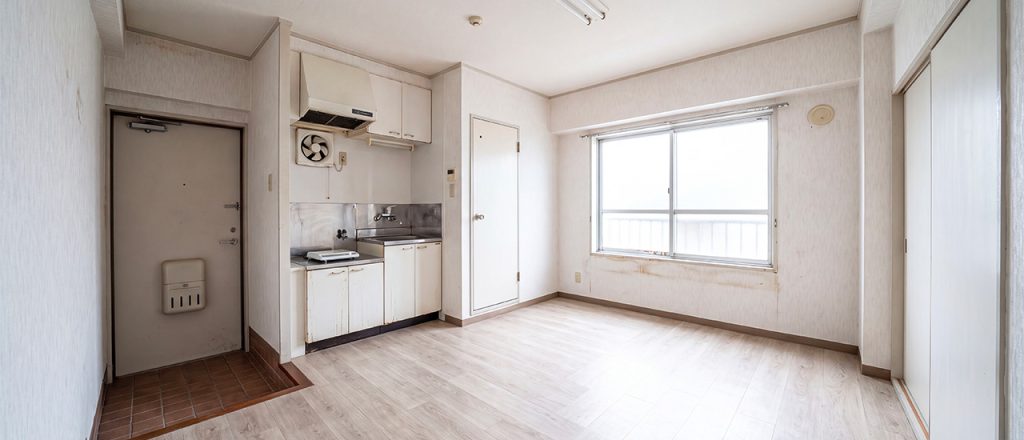
A traditional apartment is usually the best choice for people who plan to live in Japan for several years.
Monthly rent is often lower than other options, and you’ll have access to the widest selection of properties.
However, that lower monthly rent comes with trade-offs.
You’ll often need to pay several upfront fees, buy your own furniture, sign a long-term lease and complete most of the administrative process in Japanese.
For someone who has just arrived in Japan, that can be overwhelming.
Furnished Apartment
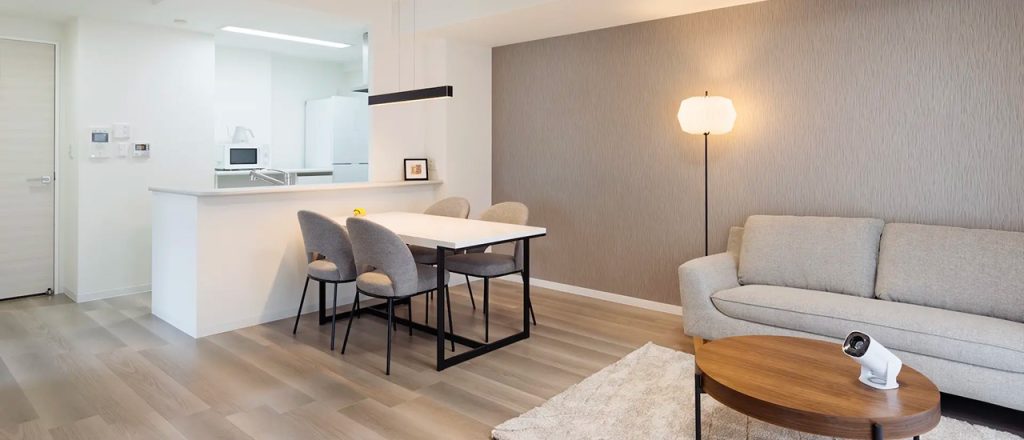
Furnished apartments are designed for convenience.
They’re particularly popular among international students, professionals relocating from overseas and Working Holiday participants because they’re ready to move into from day one.
Instead of spending your first weekend shopping for a bed, refrigerator and washing machine, you can focus on settling into your new city.
While monthly rent is usually higher, many furnished apartments include utilities, Wi-Fi and furniture, making budgeting much simpler.
For shorter stays, they often represent better overall value than a traditional lease.
Share House
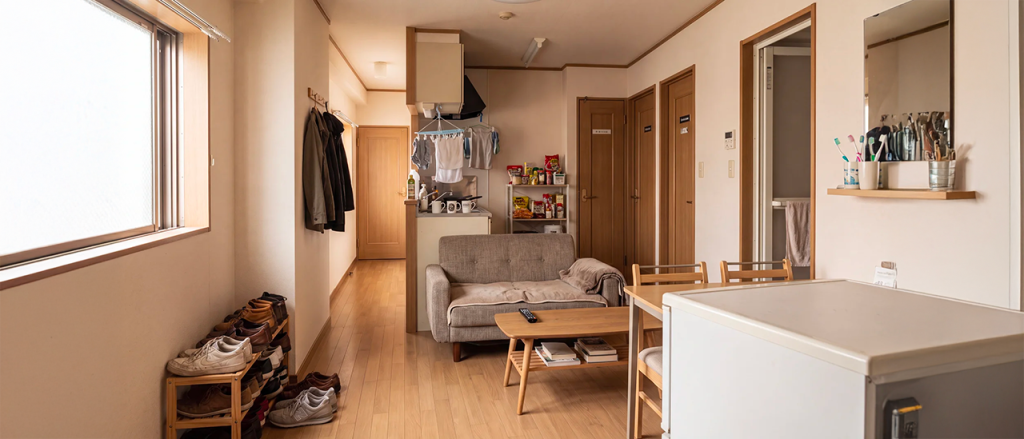
Share houses offer a more affordable way to live in Japan while meeting other residents.
You’ll usually have your own private bedroom while sharing common areas such as the kitchen and living room.
For students, interns and Working Holiday travelers, this can be a great way to reduce living costs and build a social network quickly.
The trade-off, of course, is less privacy.
Monthly Apartments
Monthly apartments sit somewhere between hotels and traditional rentals.
They offer flexibility without requiring long-term contracts, making them ideal for temporary stays, internships or anyone who hasn’t yet decided where they want to live permanently.
Which Option Fits Your Situation?
| Your profile | Best choice | Why? |
| Exchange student | Furnished apartment | Easy arrival and no furniture to buy |
| Language school student | Furnished apartment | Flexible contracts and predictable costs |
| Working Holiday | Furnished apartment or share house | Flexibility while job hunting |
| First full-time job | Furnished apartment first, then reassess | Gives you time to discover the city |
| Long term resident | Tradition apartment | Lower long-term housing costs |
| Digital nomad | Monthly apartment or furnished apartment | Maximum flexibility |
Notice something?
The recommendation isn’t based on income.
It’s based on how flexible your life needs to be.
That’s a much better starting point than simply looking for the cheapest rent.
Related guide
Traditional Apartments vs Furnished Apartments in Japan: Which One Saves You More Money?
How can you rent an apartment in Japan, before arriving?
This is one of the questions we hear most often.
The short answer is: Yes, but it depends on the type of housing you’re looking for.
If you’re hoping to rent a traditional apartment directly from the local market, things can become more complicated.
Many landlords and agencies prefer applicants who are already in Japan, can attend viewings in person and have the documents needed to complete the application.
That’s one reason why newcomers sometimes struggle to secure a traditional lease before departure.
Fortunately, that’s not your only option.
Many furnished apartments and international housing providers allow you to complete the booking process online before arriving in Japan.
This means you can land knowing exactly where you’ll sleep on your first night, instead of spending your first week in temporary accommodation while searching for a permanent place.
For students starting university, professionals relocating for work or anyone arriving from South Korea, this can remove a huge amount of stress from the moving process.
So, when should you start looking?
As a general rule:
- 1–2 months before arrival is ideal for most furnished apartments.
- Traditional apartments often become available only a few weeks before the move-in date.
- Searching six months in advance usually won’t give you access to many more properties.
If you’re moving during busy periods such as March or April, the start of Japan’s academic and business year, it’s worth planning slightly earlier because demand increases significantly.
How the Rental Process Actually Works
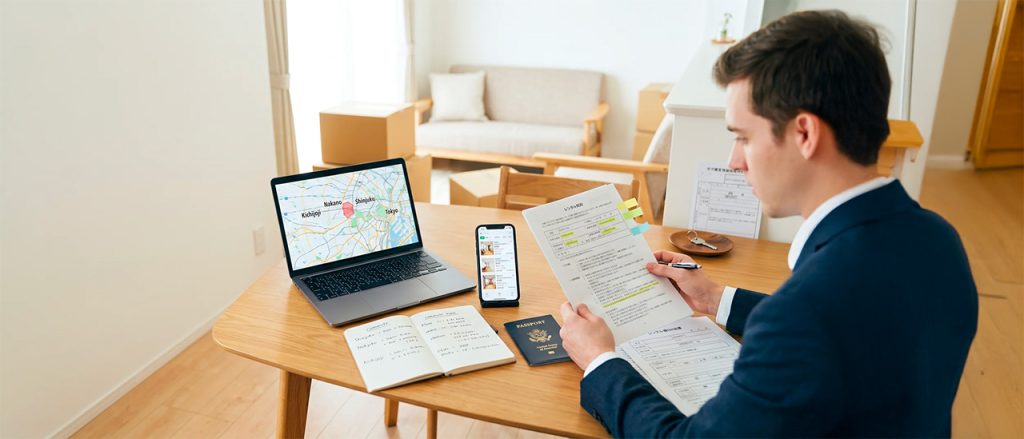
Once you’ve decided what type of housing fits your situation, the rental process itself is fairly straightforward.
The challenge isn’t understanding the steps, it’s knowing what to expect at each stage and avoiding surprises that can delay your move.
Here’s how renting an apartment in Japan usually works.
1. Start With the Area, Not the Apartment
Many newcomers begin by looking for the “perfect apartment.”
In reality, choosing the right neighborhood is often more important than choosing the perfect property.
An apartment that’s 10 minutes farther from your university or workplace could save you thousands of yen every month while giving you access to larger living spaces and a quieter environment.
Before browsing listings, ask yourself:
- How long am I willing to commute each day?
- Do I want to live close to nightlife or somewhere quieter?
- Will I mostly travel by train?
- What’s more important: space or location?
Your answers will immediately narrow down your search.
Related guide: Best Places to Live in Tokyo for International Students
2. Compare More Than Just Photos
It’s easy to fall in love with a bright apartment on a listing website.
Photos, however, rarely tell the whole story.
When comparing apartments, look beyond the images and pay attention to details such as:
- Total move-in cost
- Contract length
- Furniture and appliances included
- Internet availability
- Utility costs
- Walking distance to the nearest station
- Building age
- Move-in date
An apartment with slightly older interiors but fewer upfront costs may be the better financial decision.
Remember: you’re choosing a place to live, not just a place that looks good online.
3. Prepare Your Application
Once you’ve found a property, you’ll usually need to submit an application before the lease is approved.
The exact requirements vary depending on the landlord and the type of accommodation, but you’ll commonly be asked for documents such as:
- Passport
- Residence status or visa information (if available)
- Proof of income or employment
- Student admission documents (for students)
- Emergency contact details
Some traditional rentals may also require a guarantor company or additional screening before approval.
If you’re booking a furnished apartment designed for international residents, the process is often much simpler, with fewer documents and English-language support.
Related guide: Rental Documents Explained: What Foreigners Need to Prepare
4. Review the Contract Carefully
Rental contracts in Japan often contain fees and conditions that first-time renters don’t notice until it’s too late.
Before signing, make sure you understand:
- Which fees are refundable
- Which fees are not refundable
- How long the lease lasts
- Renewal conditions
- Notice period before moving out
- Any penalties for early termination
Never assume two apartments follow the same rules.
Even apartments with similar rent can have very different contract conditions.
If something isn’t clear, ask questions before signing, not after.
5. Move-in and register your new home
Once your application has been approved and the contract is signed, you’ll receive your keys and can move in.
Depending on your visa status and the length of your stay, there may also be administrative tasks to complete after arrival, such as registering your address with your local municipal office or updating your residence information.
These aren’t difficult, but it’s helpful to know about them before moving day so nothing catches you by surprise.
Before you sign any lease, ask yourself these five questions
Before committing to rent an apartment in Japan, take a moment to answer these questions honestly.
- Do I understand every fee I’ll have to pay before moving in?
- Does this apartment still make sense if my plans change in six months?
- Am I comparing total costs, not just monthly rent?
- Can I comfortably afford the upfront payment without affecting the rest of my relocation budget?
- Is this apartment convenient for the life I’ll actually have in Japan, not just the one I imagine today?
If you can confidently answer “yes” to all five, you’re already making better decisions than most first-time renters.
Why rental applications sometimes get rejected
One of the biggest misconceptions about renting in Japan is that applications are approved on a first-come, first-served basis. They’re not.
Just because an apartment is available doesn’t mean every applicant will be accepted.
Understanding why applications are sometimes rejected can save you time, reduce frustration and help you focus on properties that match your situation.
Lack of required documentation
If important documents are missing, or don’t match the landlord’s requirements, your application may be delayed or rejected.
This is especially common for people who haven’t yet received their visa or who cannot provide proof of income when applying for a traditional lease.
Communication barriers
Some landlords only communicate in Japanese.
Others simply prefer working through agencies that specialize in international residents.
This isn’t necessarily about nationality. It’s often about ensuring smooth communication throughout the tenancy.
Financial concerns
Landlords want confidence that rent will be paid consistently.
Students may be asked for proof of financial support, while employees are sometimes required to provide employment documentation.
Requirements vary from one property to another.
Guarantor requirements
Many traditional rentals require either a personal guarantor living in Japan or enrollment in a guarantor company.
If you’re unfamiliar with the Japanese rental system, this can come as an unexpected hurdle.
Fortunately, many furnished apartments aimed at international residents either simplify or eliminate this requirement.
Choosing the right housing from the start
This is why your housing strategy matters.
If you’re arriving in Japan for the first time, it often makes more sense to choose accommodation designed for newcomers rather than trying to navigate every requirement of the traditional rental market immediately.
Once you’re settled, have local documents, understand the city and know where you want to live long term, you’ll have far more options available.
Before you decide
A rejected application doesn’t necessarily mean something is wrong with your profile. Sometimes it simply means the property isn’t the right fit for your situation. Choosing accommodation designed for international residents can significantly reduce these obstacles during your first months in Japan.
If we were to rent an apartment in Japan, here’s exactly what we’d do
After everything we’ve covered, let’s make it practical.
Imagine we were moving to Japan today for the first time.
Whether for university, a Working Holiday or a new job, our approach would probably look like this.
8 to 10 Weeks before departure
Instead of looking at apartments immediately, we’d first decide where we actually want to live.
That means researching neighborhoods, commute times, average rents and the type of lifestyle each area offers.
Finding the right neighborhood is usually more important than finding the perfect apartment.
6 to 8 Weeks before departure
Once we know where we’d like to live, we’d begin comparing different housing options—not just different apartments.
We’d ask ourselves:
- Would a furnished apartment save us money overall?
- Do we really need a traditional lease?
- How long do we realistically expect to stay in Japan?
This is where most people make the wrong decision.
4 to 6 Weeks before departure
Now we’d start shortlisting apartments that match our move-in date.
Rather than comparing rent alone, we’d compare:
- Total move-in cost
- Contract flexibility
- Furniture included
- Distance from public transport
- Internet availability
- What’s included in the monthly rent
Every apartment would be evaluated using the same criteria.
Two Weeks before departure
We’d make our reservation.
Then we’d stop worrying about housing.
Instead of arriving in Japan wondering where we’ll live, we’d spend our time preparing for everything else: opening a bank account, registering our address, getting a SIM card and settling into our new city.
That’s exactly how the moving process should feel.
The One advice we’d give every newcomer
Don’t try to optimize every detail before you’ve even arrived.
Japan is a country you’ll understand much better after living there for a few months.
Your first apartment should give you flexibility, peace of mind and a comfortable place to start.
Once you’re settled, every future housing decision becomes easier because you’ll be making it with real experience, not assumptions.
What’s the best housing option for you?
After reading this guide, you probably realize there isn’t one “best” way to rent an apartment in Japan.
The right choice depends on your situation.
Here’s how we’d think about it.
| If this sounds like you… | We’d probably recommend… | Why? |
| I’m staying less than 6 months | Furnished apartment | Minimal upfront cost and maximum flexibility |
| I’m coming on a Working Holiday | Furnished apartment | Easy move-in while you settle into life in Japan |
| I’m starting university | Furnished apartment near campus | Predictable costs and less stress during your first weeks |
| I’ve accepted a long-term job | Furnished apartment first, then consider a tradition lease | Gives you time to explore neighborhoods before committing |
| I’ve already lived in Japan for a while | Tradition apartment | Better long-term value once you’re familiar with the rental market |
| I’m relocating with my family | It depends on your long-term plans | Families often benefit from traditional leases once they’re settled |
There isn’t a universal answer.
Only the answer that’s right for your next chapter in Japan.
Why we built Enkostay around this idea
Finding housing shouldn’t feel like solving a puzzle.
Yet many international residents arrive in Japan having to navigate unfamiliar contracts, multiple agencies, language barriers and unexpected upfront costs, all while trying to prepare for university, start a new job or simply settle into a new country.
That’s exactly the problem Enkostay was created to solve.
Instead of asking newcomers to adapt to the traditional rental process from day one, we believe the housing experience should adapt to them.
Whether you’re coming to Japan for a semester, a Working Holiday or the beginning of your career, the goal is simple: help you find accommodation that matches your plans, not just your budget.
For many people, that means starting with a fully furnished apartment that can be booked before arrival, with transparent pricing, no deposit or key money required, and support in English.
Once you’re settled and know exactly where and how you want to live, you’ll be in a much stronger position to decide whether a traditional long-term lease makes sense.
Your first apartment isn’t just a place to sleep.
It’s the foundation of your life in Japan.
Choose one that helps you enjoy the experience from day one.
Frequently Asked Questions
Can foreigners rent apartments in Japan?
Yes. Foreigners can legally rent apartments in Japan. However, requirements vary depending on the landlord and the type of accommodation. Some traditional rentals may require additional documents or a guarantor, while many furnished apartments designed for international residents offer a simpler application process.
Can I rent an apartment in Japan before arriving?
Yes. Many furnished apartments and international housing providers allow online bookings before arrival. Traditional rentals are often more difficult to secure remotely because landlords may prefer in-person viewings and local documentation.
How much money do I need before moving into an apartment in Japan?
Besides your monthly rent, you should budget for upfront expenses such as deposits, agency fees, guarantor fees, insurance and furniture if you’re renting an unfurnished apartment. The total amount varies depending on the property and rental type.
Is renting a furnished apartment cheaper?
Not always on a monthly basis.
However, for shorter stays, a furnished apartment can cost less overall because you avoid buying furniture and paying multiple setup costs.
What’s the difference between key money and a security deposit?
Key money is a non-refundable payment traditionally made to the landlord, while a security deposit may be partially refunded when you move out, depending on the condition of the property and the terms of your contract.
Do I need a guarantor to rent an apartment?
Some traditional rentals require a guarantor or a guarantor company. Requirements vary by property. Many accommodations designed for international residents simplify or replace this requirement.