Tokyo apartment rent: Complete neighborhood guide and everything you need to know

Understanding Tokyo apartment rent is essential before choosing where to live. Your monthly housing costs will depend on several factors, including the neighborhood, apartment size, distance from the nearest train station, building age, and whether you choose a furnished or unfurnished property.
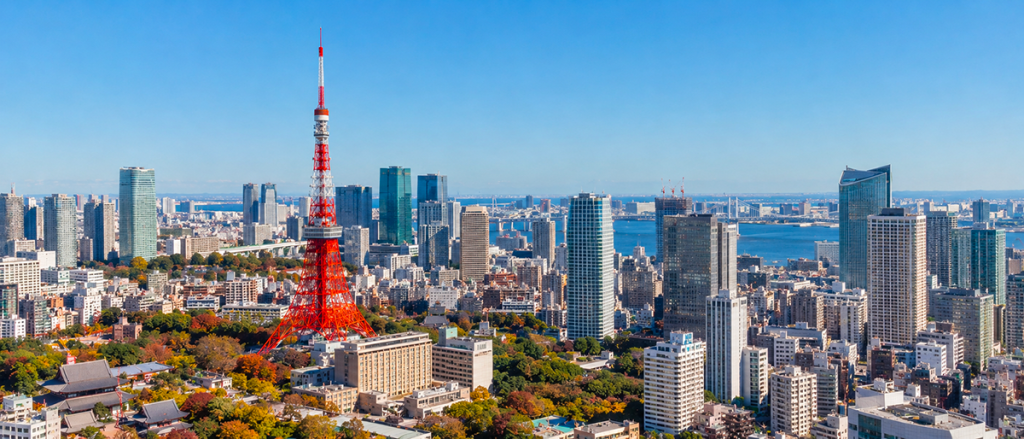
Tokyo is often perceived as one of the world’s most expensive cities, but apartment rent varies much more than many foreigners expect. While neighborhoods like Shibuya and Minato command premium prices, other areas offer significantly lower rents without sacrificing convenience or quality of life.
This guide compares Tokyo apartment rent across some of the city’s most popular neighborhoods, explains what influences rental prices, and helps you understand where you can get the best value for your budget.
How much is Tokyo apartment rent on average?
The average Tokyo apartment rent depends largely on the neighborhood and the type of apartment you choose. A small studio (1R or 1K) in a residential area can cost almost half the price of a similar apartment in central Tokyo.
The table below provides a general overview of monthly rent prices for a standard one-person apartment.
| Area | Average monthly rent (Studio / 1R–1K) | Typical budget |
|---|---|---|
| Central Tokyo (Shibuya, Shinjuku, Minato) | ¥100,000–¥150,000+ | Premium |
| Popular residential areas (Nakano, Kichijoji, Meguro) | ¥80,000–¥120,000 | Mid-range |
| Budget-friendly neighborhoods (Koenji, Otsuka, Itabashi) | ¥60,000–¥90,000 | Lower budget |
Keep in mind that these figures represent rent only. Depending on the property, you may also need to budget for utilities, internet, maintenance fees, and one-time moving costs such as deposits or agency fees.
For many foreigners, choosing the right neighborhood has a much bigger impact on Tokyo apartment rent than simply looking for the cheapest apartment. Living slightly farther from Tokyo’s busiest districts can often reduce monthly rent while still providing excellent access to public transportation.
Tokyo apartment rent by neighborhood
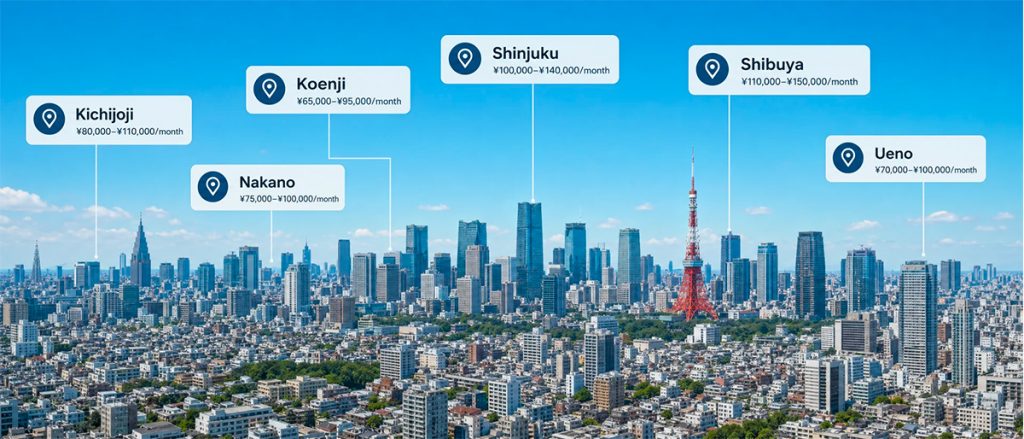
One of the biggest factors affecting Tokyo apartment rent is the neighborhood you choose. Even two apartments with similar layouts can have very different monthly rents depending on their location and access to public transportation.
Below is an overview of some of the most popular neighborhoods among foreigners and their typical rent prices for a studio (1R or 1K).
| Neighborhood | Average studio rent | Best for |
|---|---|---|
| Shibuya | ¥110,000–¥150,000 | Nightlife, young professionals |
| Shinjuku | ¥100,000–¥140,000 | Transport connections, entertainment |
| Minato | ¥130,000–¥180,000+ | Expats, luxury apartments |
| Nakano | ¥75,000–¥100,000 | Great value and fast access to central Tokyo |
| Kichijoji | ¥80,000–¥110,000 | Families and quieter lifestyle |
| Koenji | ¥65,000–¥95,000 | Lower rent and local atmosphere |
| Ueno | ¥70,000–¥100,000 | Budget-conscious renters |
| Otsuka | ¥70,000–¥95,000 | Convenient location and competitive prices |
Although central neighborhoods are the most well-known, they are not always the best choice for someone relocating to Japan. In many cases, living just 15 to 20 minutes away by train can reduce Tokyo apartment rent by tens of thousands of yen every month.
Most expensive neighborhoods in Tokyo
The highest Tokyo apartment rent is generally found in neighborhoods located close to major business districts, luxury shopping areas, and international communities.
These include:
- Minato
- Shibuya
- Shinjuku
- Chiyoda
- Ebisu
These areas offer excellent transportation, countless restaurants and shops, and easy access to offices, but higher demand keeps rental prices well above the city average.
Unless you specifically need to live in central Tokyo, paying a premium for these locations is not always necessary.
Cheapest neighborhoods in Tokyo
If your priority is lowering your monthly housing costs, several neighborhoods consistently offer lower Tokyo apartment rent while remaining well connected to the rest of the city.
Among the most popular options are:
- Koenji
- Otsuka
- Itabashi
- Kita
- Ueno
- Nakano
Many of these neighborhoods are located just outside Tokyo’s most expensive districts and still provide excellent access to the JR Yamanote Line or other major train routes.
For students, Working Holiday participants, and professionals relocating to Japan, these areas often provide one of the best balances between rent, commute time, and overall quality of life.
Finding a Tokyo apartment as a foreigner
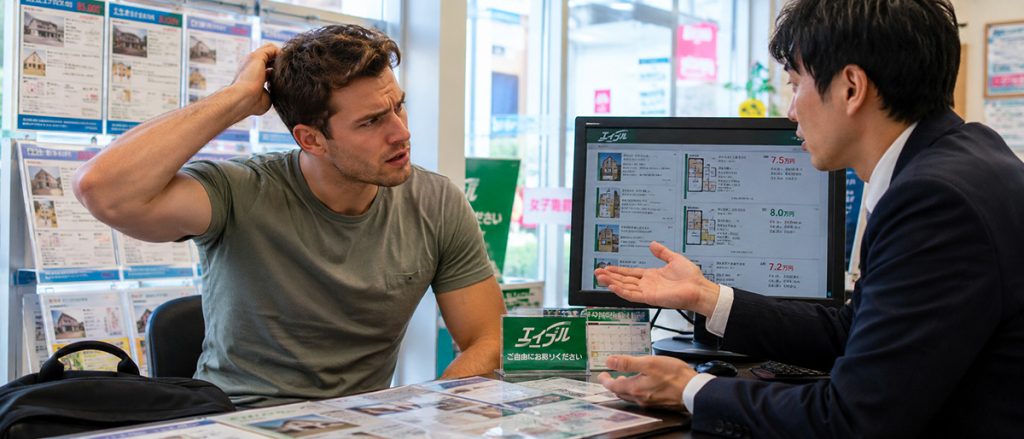
Finding the right apartment in Tokyo can be challenging, especially for foreigners who are unfamiliar with the Japanese rental system. Traditional rentals often involve complicated procedures, Japanese-language paperwork, guarantor requirements, and high upfront costs.
Platforms like Enkostay make the process easier by connecting international residents with verified apartments in Japan. Instead of navigating the rental market alone, foreigners can search for suitable homes, compare options, and find accommodation that matches their needs before moving.
Whether you are coming to Tokyo for university, work, a Working Holiday program, or a longer stay, choosing a foreigner-friendly rental solution can save time and make your relocation experience smoother.
From furnished apartments to flexible housing options, finding a place to live in Tokyo does not have to be complicated when you have the right support.
How to reduce Tokyo apartment rent
Finding a lower Tokyo apartment rent does not necessarily mean living far from the city center. In many cases, choosing the right neighborhood is enough to significantly reduce your housing costs.
Here are a few practical ways to save money when renting in Tokyo:
- Look beyond the most famous districts. Neighborhoods like Nakano, Koenji, Otsuka, or Itabashi often provide excellent transport connections at lower prices than Shibuya or Minato.
- Accept a slightly longer walk to the station. Apartments located 10 to 15 minutes from the nearest station are often noticeably cheaper.
- Consider older buildings. Many older apartments are well maintained and offer much better value than newly built properties.
- Compare furnished and unfurnished rentals. If you are staying for only a few months or relocating from overseas, a furnished apartment may be more economical despite the higher monthly rent because it reduces upfront expenses.
- Choose foreigner-friendly rental platforms. Some providers offer flexible leases, English-language support, and lower move-in costs compared with traditional Japanese rental agencies.
The best apartment is not always the one with the lowest rent. Consider your daily commute, total move-in costs, and lifestyle before making a decision.
Where do most foreigners rent apartments in Tokyo?
Many foreigners choose neighborhoods that offer a good balance between rent, convenience, and international accessibility rather than focusing solely on the cheapest areas.
Popular choices include:
- Nakano, for its excellent value and quick access to Shinjuku.
- Kichijoji, for its relaxed atmosphere, parks, and shopping.
- Shinjuku, for professionals who want outstanding transport connections.
- Ueno, for relatively affordable rents and easy access to central Tokyo.
- Koenji, for students and young professionals looking for lower rents and a vibrant local community.
The right neighborhood ultimately depends on your budget, workplace or university, commuting preferences, and the lifestyle you want to enjoy during your stay in Japan.
Compare Tokyo apartment rent more easily with Enkostay
Comparing Tokyo apartment rent can quickly become overwhelming, especially if you are moving to Japan for the first time. Rental prices vary from one neighborhood to another, and many traditional listings provide limited information in English or require navigating a complex rental process.
Enkostay simplifies your apartment search by bringing together verified housing options designed for international residents. Instead of spending hours comparing listings across multiple websites, you can browse apartments in different Tokyo neighborhoods, compare rental prices, and find a home that matches both your budget and lifestyle.
Whether you are looking for a furnished apartment, planning a long-term stay, or relocating for work or university, Enkostay helps make the search process more transparent and straightforward. By comparing neighborhoods, rental prices, and housing options in one place, you can make a more informed decision before moving to Japan.
Frequently asked questions about Tokyo apartment rent
Is Tokyo apartment rent expensive?
Tokyo apartment rent is generally higher than in most other Japanese cities, but it depends largely on the neighborhood. While central districts such as Minato, Shibuya, and Shinjuku have some of the highest rental prices in Japan, many residential areas offer considerably lower rents with excellent public transportation. For most foreigners, choosing the right neighborhood has a greater impact on monthly housing costs than choosing a smaller apartment.
What is the average rent for a studio apartment in Tokyo?
The average monthly rent for a studio apartment (1R or 1K) typically ranges from ¥60,000 to ¥150,000.
- ¥60,000–¥90,000: Budget-friendly neighborhoods
- ¥90,000–¥120,000: Popular residential areas
- ¥120,000+: Central Tokyo districts
The final rent will vary depending on the building, its age, the distance to the nearest station, and the available amenities.
Which Tokyo neighborhoods have the lowest rent?
Some of the neighborhoods that consistently offer lower rental prices include:
- Koenji
- Nakano
- Otsuka
- Itabashi
- Kita
- Ueno
These areas remain popular because they provide a good balance between affordability, convenience, and easy access to central Tokyo.
Can foreigners easily rent an apartment in Tokyo?
Yes. Today, many landlords and housing providers welcome international residents. Foreigner-friendly rental platforms also make the process much easier by offering English-language support, flexible lease terms, furnished apartments, and simplified move-in procedures.
Although traditional rentals may still require documents such as a guarantor or additional paperwork, international tenants have far more housing options than they did a few years ago.
Final thoughts
Finding the right apartment in Tokyo is not only about choosing the lowest rent. The best option depends on your budget, commute, lifestyle, and the type of rental experience you are looking for.
By comparing Tokyo apartment rent across different neighborhoods, you can quickly identify areas that offer the best value while avoiding unnecessary housing costs. Whether you are moving to Japan for your studies, a new job, or a Working Holiday, understanding local rent prices will help you make a more informed decision before signing a lease.
If you are still planning your move, you may also find these guides helpful: