The Ultimate Guide to Suwon Hwaseong Fortress

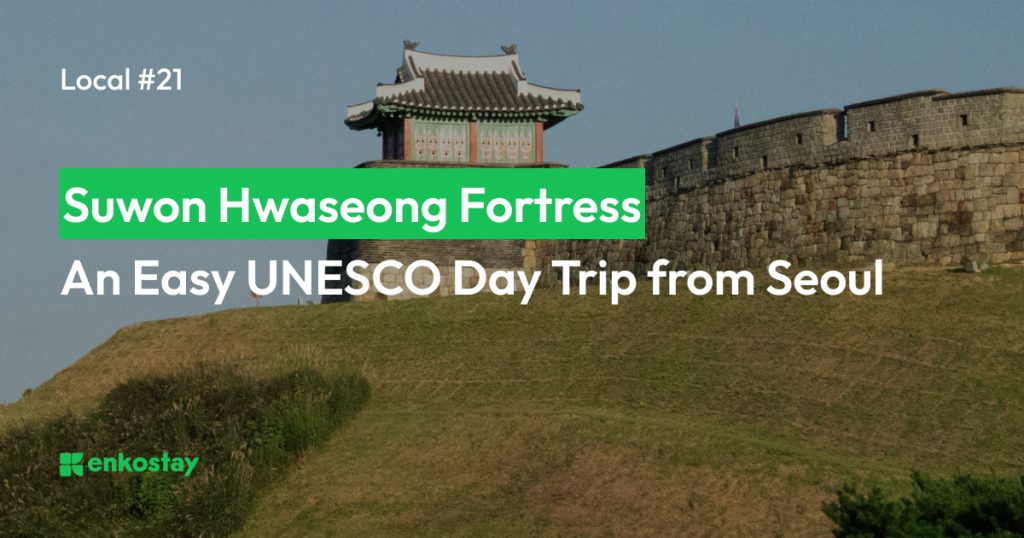
If you’re living in Korea for a few months and want to explore beyond Seoul’s usual tourist circuit, Suwon Hwaseong Fortress offers a perfect blend of history, architecture, and walkable outdoor space. This 18th-century fortress is a UNESCO World Heritage site, easily reached by subway and train, and it gives you a real sense of Korea’s Joseon-era military engineering without the crowds you’d face at Seoul’s palaces on a weekend.
Why Hwaseong Fortress Stands Out
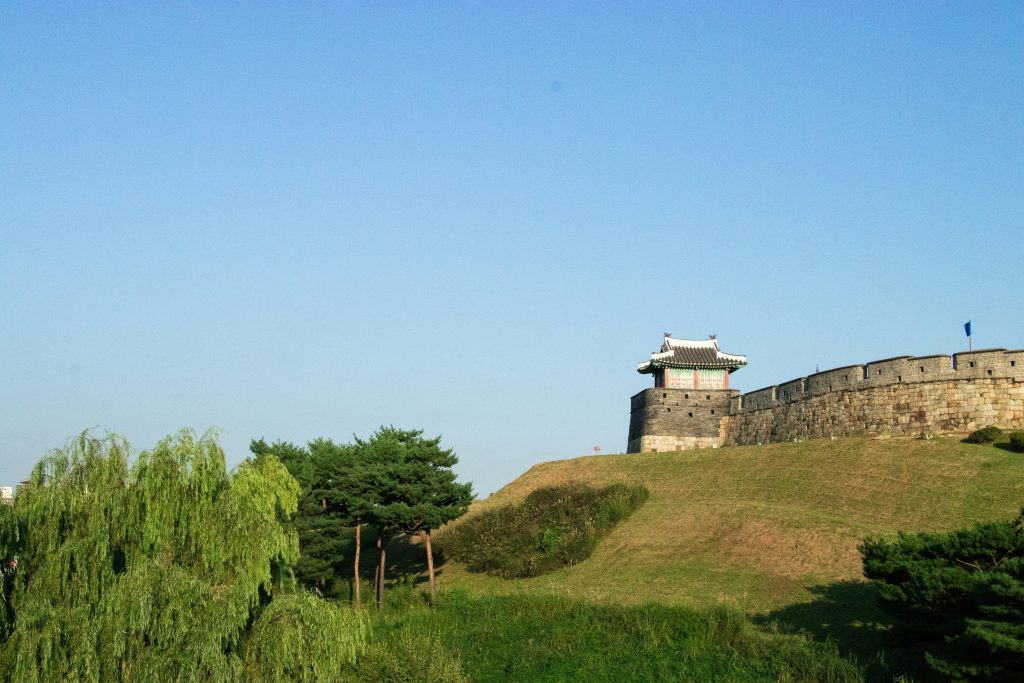
Built between 1794 and 1796 under King Jeongjo, Hwaseong was designed as both a defensive fortification and a symbol of royal ambition. Its walls stretch about 5.7 kilometers around central Suwon, incorporating gates, watchtowers, artillery platforms, and command posts. The fortress was designed by the scholar Jeong Yak-yong, who drew on both Eastern and Western technical knowledge of the era. He introduced a pulley-based lifting device called the geojunggi to raise heavy stones, which helped complete a project that could have taken about ten years in under three. You’ll see brick archways, stone bastions, wooden pavilions, and a floodgate system that managed water flow. Now a UNESCO World Heritage Site, Hwaseong can be walked in full in three to four hours at a relaxed pace, or you can focus on the highlights if time is short.
Getting There and Getting Around
Suwon is roughly 30 kilometers south of Seoul. The fastest route is the subway (Line 1 to Suwon Station, about an hour from central Seoul) or the faster KTX or ITX train to Suwon Station (around 20 to 30 minutes from Seoul Station). From Suwon Station, the fortress’s southern gate (Paldalmun) is a 10-minute walk, or you can take a local bus. Many visitors start at Paldalmun and walk north along the walls, hitting the main gates and towers before looping back. Admission to the fortress grounds is affordable, and an English-language audio guide is available at the ticket office near the main gates. Wear comfortable shoes, because the paths include stone steps and some uneven terrain.
What to See Inside the Walls
The four main gates (north, south, east, west) are the most photogenic spots, each with a different design. Janganmun, the northern gate, is the largest and offers views over the modern city. Hwaseomun, the western gate, sits near a steep hillside and gives you a sense of the fortress’s defensive positioning. Between the gates, you’ll find structures like Seojangdae (the western command post), a two-story pavilion where officers surveyed the surroundings, and Yeonmudae, a former military training ground where visitors can now try traditional Korean archery. The walls themselves vary in height and thickness depending on the terrain, and in several places you can climb onto the ramparts for panoramic views. Inside the fortress perimeter, the old city of Suwon continues as a living neighborhood with shops, cafes, and residential streets, so the site feels integrated into daily life rather than isolated as a museum piece.
Practical Tips for Your Visit
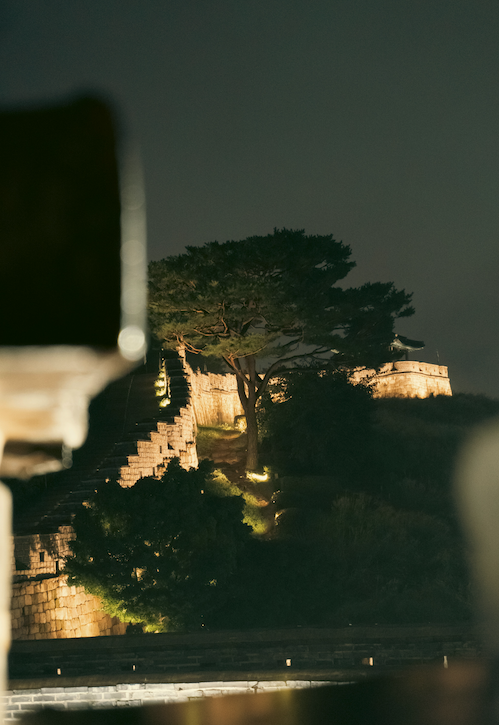
Plan for half a day if you want to walk the full circuit and visit the interior exhibits at the command posts. Spring and autumn offer the best weather, with cherry blossoms in early April and fall foliage in late October. Summer can be hot and humid, so bring water and sunscreen. The fortress is open year-round, and its walls are lit in the evening, which gives the site a different atmosphere if you stay into the night. Food options are plentiful near Suwon Station and around the fortress, including traditional Korean restaurants and casual eateries. If you’re staying in Korea for a longer period (for example, a semester abroad or a working-holiday stint), the Suwon area also has other attractions nearby, such as the Korean Folk Village and Everland, making it a good anchor for a full weekend trip.

Suwon is not only an easy day trip from Seoul, it is also a place you can live. Enkostay lists housing in Seoul, Suwon, and other cities, with plenty of options across Suwon near Suwon Station and within reach of the fortress. Living here means you can enjoy Hwaseong at your own pace: an early-morning walk along the quiet ramparts, a coffee in the old town, or the walls lit up in the evening, all without rushing to catch the last train back to Seoul.
With Enkostay’s bilingual lease and no-deposit booking, you can settle into a short-term or longer stay without translating contracts or negotiating deposits, and treat Hwaseong as part of your everyday neighborhood. That leaves you free to explore the fortress, and the rest of Korea, on your own schedule.