How to move to Japan as a Foreigner? Everything you need to know before relocating (2026)

If you plan to move to Japan as a foreigner, proper preparation is the key to a successful relocation. Whether you are moving to study, work, start a new career, or experience Japanese culture for a longer period, relocating to Japan requires much more than booking a flight and finding a place to stay.
For anyone planning to move to Japan as a foreigner, the first steps can feel overwhelming. Understanding visa requirements, preparing the right documents, finding accommodation, managing your budget, and adapting to daily life are all essential to making your transition smoother.
Japan offers a unique combination of vibrant cities, excellent infrastructure, outstanding safety, and a rich cultural heritage. At the same time, moving to Japan as a foreigner comes with unique challenges, especially if you are unfamiliar with Japanese administrative systems or do not speak the language.
This complete guide explains everything you need to know to move to Japan as a foreigner, from planning your relocation before departure to settling into your new life after you arrive.
Why do so many people move to Japan as a foreigner?
Japan has become an increasingly popular destination for international students, professionals, digital nomads, and long-term travelers. The country offers a unique lifestyle that combines advanced technology, traditional culture, career opportunities, and a high standard of living.
Before planning your relocation, it is important to understand why so many foreigners choose Japan as their new home.
A safe and comfortable place to live
Japan is consistently recognized as one of the safest countries in the world. Major cities such as Tokyo, Osaka, and Kyoto offer reliable public transportation, clean streets, convenient services, and a strong sense of security.
For international residents, this means being able to explore cities freely, commute easily, and enjoy daily life with peace of mind.
Excellent opportunities for students and professionals
Every year, thousands of international students move to Japan as foreigners to attend prestigious universities, Japanese language schools, and specialized training programs. The country’s high-quality education system, combined with its unique culture, makes it an increasingly popular destination for studying abroad.
Professionals also choose to move to Japan as a foreigner to pursue career opportunities in industries such as technology, engineering, education, tourism, and international business. As Japan continues to attract international talent, more companies are actively hiring skilled professionals from around the world.
Whether your goal is to study, advance your career, or experience a new way of life, there are many reasons to move to Japan as a foreigner. Beyond professional and academic opportunities, living in Japan offers the chance to develop new skills, immerse yourself in a rich cultural environment, and build an international network.
A Unique Lifestyle Between Tradition and Innovation
One of Japan’s biggest attractions is the balance between modern life and traditional culture.
Living in Japan allows foreigners to experience:
- futuristic neighborhoods and world-class technology;
- historic temples and traditional festivals;
- unique food culture;
- efficient transportation systems;
- a strong community atmosphere.
This combination makes Japan different from many other relocation destinations.
Visa Requirements and Legal Preparation Before Moving to Japan
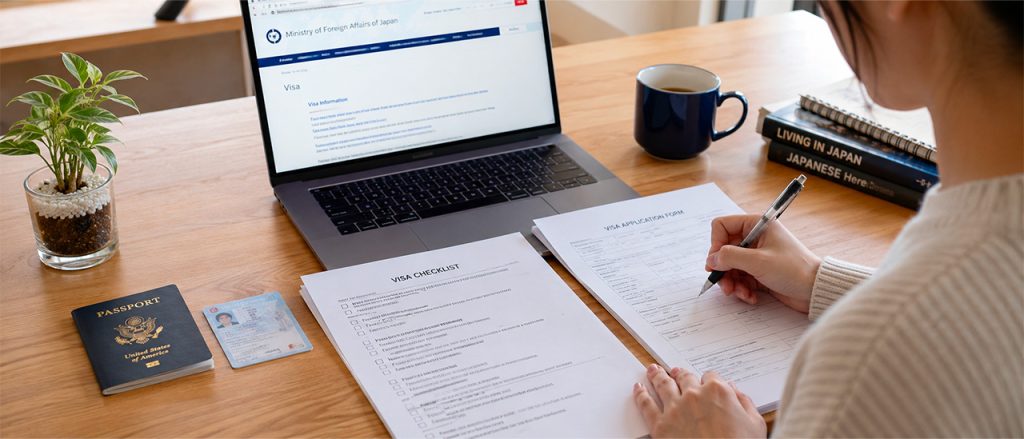
One of the first things you should do before you move to Japan as a foreigner is understand the country’s visa requirements. Unlike some countries that offer flexible long-term stays, Japan has specific visa categories based on the purpose of your relocation, whether you are planning to study, work, or live in Japan.
Choosing the right visa is one of the most important steps to move to Japan as a foreigner successfully. Your visa determines how long you can stay, whether you can work or study, and which administrative procedures you will need to complete after arriving in Japan.
Choose the Right Visa for Your Situation
Student Visa
The student visa is one of the most common options for foreigners moving to Japan. It allows international students to attend:
- Japanese language schools;
- universities;
- vocational schools;
- exchange programs.
Students with a valid student visa can also apply for permission to work part-time, usually up to a limited number of hours per week.
Before applying, you will generally need:
- a Certificate of Eligibility (COE);
- proof of enrollment;
- financial documents;
- passport and application forms.
Work Visa
Foreign professionals usually need a work visa sponsored by a Japanese company.
Common categories include:
- Engineer/Specialist in Humanities/International Services;
- Instructor;
- Highly Skilled Professional;
- Business Manager.
The requirements depend on your profession, education background, and employment situation.
If you plan to build a long-term career in Japan, researching visa requirements early is essential.
Working Holiday Visa
The Working Holiday visa allows eligible young foreigners to experience life in Japan while working temporarily to support their stay.
This option is popular among people who want to:
- explore Japan for several months;
- improve their Japanese skills;
- experience Japanese culture;
- work part-time during their stay.
Because Working Holiday participants often arrive without a permanent employer, flexible housing options are usually a priority.
Digital Nomad and Short-Term Stay Options
Japan has introduced new opportunities for remote workers and short-term international residents.
Depending on your nationality and situation, you may be able to stay in Japan temporarily without applying for a traditional long-term visa.
However, short-term stays usually have restrictions regarding employment and residency.
Always check the latest requirements before making relocation plans.
Prepare Your Essential Documents
Before leaving your home country, preparing your documents will make your arrival much smoother.
Important documents may include:
- Passport;
- Visa approval documents;
- Certificate of Eligibility (if required);
- School enrollment certificate or employment contract;
- Proof of financial resources;
- Academic records;
- Health insurance documents;
- Emergency contacts;
- Copies of important paperwork.
It is recommended to keep both digital and physical copies of your essential documents.
Preparing Your Budget Before Moving to Japan
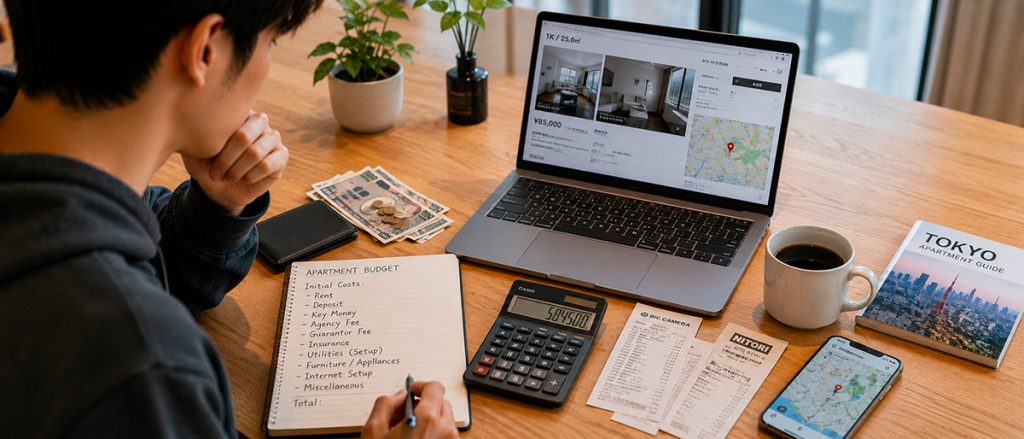
Understanding the cost of relocation is an essential part of planning to move to Japan as a foreigner. Many newcomers underestimate how much money they will need because renting a home in Japan often involves several upfront costs beyond the monthly rent.
Before you move to Japan as a foreigner, it’s important to create a realistic budget that covers more than just housing. Your relocation budget should also include transportation, daily living expenses, administrative fees, and an emergency fund to help you settle into your new life with confidence.
How Much Money Do You Need to Move to Japan?
The amount you need depends on your destination, lifestyle, and length of stay.
Living in Tokyo will generally require a higher budget than smaller cities such as Fukuoka, Sendai, or Hiroshima.
A realistic relocation budget should include:
| Expense | Estimated Cost |
| Flight ticket | $500 – $1,500+ |
| Initial accommodation | Depends on housing choice |
| Apartment setup costs | ¥10,000 – ¥100,000+ |
| Transportation | ¥5,000 – ¥15,000/month |
| Food | ¥30,000 – ¥80,000/month |
| Phone & Internet | ¥3,000 – ¥10,000/month |
| Daily expenses | Depends on lifestyle |
Housing Costs: The Biggest Expense to Prepare
For most foreigners, accommodation represents the largest part of their relocation budget.
Traditional Japanese rentals often require several initial payments, including:
- security deposit (shikikin);
- key money (reikin);
- agency fees;
- guarantee company fees;
- insurance fees;
- advance rent payments.
These additional costs can sometimes equal several months of rent.
This is one of the main reasons why many foreigners choose alternative housing solutions such as furnished apartments, share houses, or international-friendly rentals.
For a detailed breakdown, check our guide:
How Much Does It Cost to Rent an Apartment in Japan? Complete Cost Breakdown (2026)
Plan for Your First Few Months
The first months after arriving in Japan usually involve higher expenses because you may need to:
- purchase daily necessities;
- set up your apartment;
- buy furniture or appliances;
- register for services;
- adapt to your new routine.
A good recommendation is to have enough savings to comfortably cover at least three months of living expenses.
5. Finding Accommodation in Japan as a Foreigner
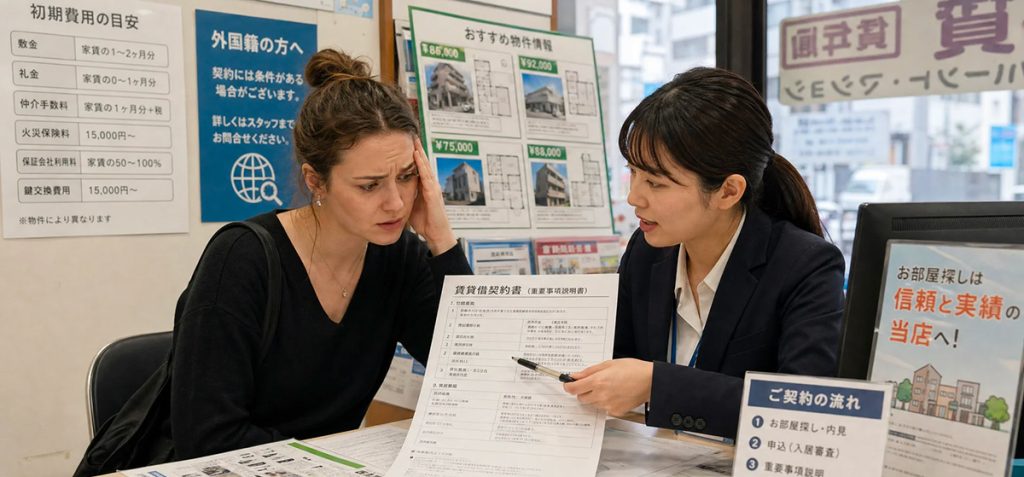
Finding the right accommodation is one of the biggest challenges when you move to Japan as a foreigner. While Japan offers a wide variety of apartments, many newcomers face obstacles such as language barriers, strict rental requirements, and high upfront costs.
Before you move to Japan as a foreigner, understanding how the Japanese housing market works can save you time, money, and unnecessary stress. Knowing your rental options, expected costs, and application requirements will help you find a home that fits both your budget and your lifestyle.Why Renting an Apartment in Japan Can Be Difficult for Foreigners
Foreign residents often encounter several challenges:
Language Barriers
Many traditional rental agencies operate primarily in Japanese. Understanding contracts, rules, and administrative documents can be difficult without Japanese language skills.
Strict Rental Requirements
Some landlords may require:
- Japanese guarantor;
- stable employment history;
- local phone number;
- Japanese bank account.
These requirements can make the process harder for newcomers who have just arrived.
High Initial Costs
As explained in our rental cost guide, traditional apartments often require large upfront payments.
For foreigners arriving with limited local connections, these costs can become a major obstacle.
Choose the Right Type of Housing
The best housing option depends on your situation.
| Furnished Apartments | Share Houses | Traditional Apartments |
| Perfect for international students, working holiday, professionals | Popular among young foreigners | Ideal for people planning long-term stay |
| Immediate move in without buying furniture or appliances | Loser costs, easier contracts; opportunities to meet people | Larger upfront costs, more documents, Japanese communication skills needed. |
How Enkostay Helps Foreigners Find Housing in Japan
Finding accommodation should be one of the first priorities when preparing your relocation.
Platforms like Enkostay simplify the process by offering housing solutions designed for international residents, including:
- furnished homes;
- flexible options;
- international-friendly support;
- easier access for foreigners who may not have a Japanese guarantor.
Having a suitable home from your first day in Japan allows you to focus on your studies, work, and discovering your new environment.
Documents You Need Before Your Arrival in Japan
Before you move to Japan as a foreigner, preparing the right documents is one of the most important steps for a smooth relocation. Many administrative procedures require official paperwork, and obtaining certain documents after leaving your home country can be difficult, time-consuming, or even impossible.
To move to Japan as a foreigner with confidence, create a complete document checklist before your departure. Having all your essential paperwork ready will help you avoid unnecessary delays, reduce stress, and make your first weeks in Japan much easier.
Essential Documents to Prepare Before Moving
The exact documents you need depend on your visa type and personal situation, but most foreigners should prepare the following:
Passport and Visa Documents
Your passport is the most important document for your relocation. Before departure, make sure you have:
- a valid passport with enough remaining validity;
- your approved visa;
- Certificate of Eligibility (COE), if required;
- visa application documents;
- copies of all immigration documents.
Keep both printed copies and digital backups accessible at all times.
Proof of Financial Resources
Japan may require proof that you can financially support yourself during your stay.
Depending on your situation, this can include:
- bank statements;
- scholarship certificates;
- sponsorship documents;
- employment contracts;
- proof of income.
Having these documents ready can simplify administrative procedures.
Academic or Professional Documents
Depending on your reason for relocating, you may need:
For Students:
- admission letter;
- enrollment certificate;
- academic transcripts;
- previous diplomas or certificates.
For Professionals:
- employment contract;
- professional certifications;
- university diploma;
- references or work documents.
It is recommended to prepare translated copies if your documents are not available in English or Japanese.
Health and Insurance Documents
Healthcare registration is an important step after arriving in Japan.
Before moving, prepare:
- medical records if necessary;
- vaccination information;
- prescription details;
- insurance documents;
- emergency contacts.
If you take regular medication, make sure you understand Japan’s regulations regarding importing prescription drugs.
Create a Digital Document Folder
A simple but effective tip is to create a secure digital folder containing:
- passport scan;
- visa documents;
- accommodation contract;
- emergency contacts;
- insurance information;
- school or work documents.
Having everything accessible online can be extremely useful if you lose physical documents or need them during administrative procedures.
Setting Up Your Life After Arriving in Japan
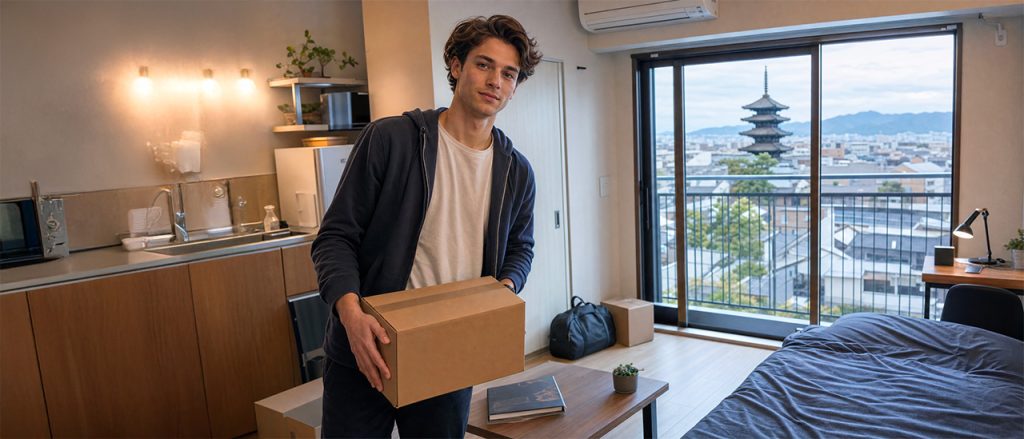
After you move to Japan as a foreigner, your first few weeks are usually the busiest. You’ll need to complete important administrative procedures, set up essential services, and adjust to your new surroundings while settling into your daily routine.
Knowing what to expect after you move to Japan as a foreigner will help you complete these tasks more efficiently, reduce unnecessary stress, and make the transition into your new life in Japan much smoother.
Register Your Residence
Foreign residents staying in Japan for more than three months generally need to register their address at the local municipal office.
After finding your accommodation, one of the first steps is usually to complete your resident registration.
You may need:
- Residence Card (在留カード, Zairyu Card);
- passport;
- proof of address;
- application forms.
This registration is important because many services in Japan depend on having an official registered address.
Apply for National Health Insurance
Foreign residents who are eligible for long-term residency generally need to enroll in Japan’s National Health Insurance system.
This allows you to access healthcare services while reducing medical costs.
After registration, you will receive a health insurance card that you can use when visiting clinics or hospitals.
Open a Japanese Bank Account
Opening a bank account is often necessary for daily life in Japan.
You may need one for:
- receiving salary payments;
- paying rent;
- setting up automatic payments;
- managing daily expenses.
Requirements vary depending on the bank, but commonly include:
- Residence Card;
- registered address;
- phone number;
- personal identification.
Some newcomers may find this process easier after completing their residence registration.
Get a Japanese SIM Card and Internet Connection
Having reliable internet access from your first day is essential.
You will need a phone connection for:
- communication;
- navigation;
- banking apps;
- transportation apps;
- daily services.
Foreigners can choose between:
SIM Cards
Suitable for:
- smartphones unlocked internationally;
- long-term residents;
- people who need a Japanese phone number.
eSIM Options
Convenient for:
- travelers;
- newcomers who need immediate connectivity after landing.
Home Internet
For longer stays, setting up home internet is usually recommended, especially for students and remote workers.
Daily Life in Japan: Transportation, Shopping, and Essential Services
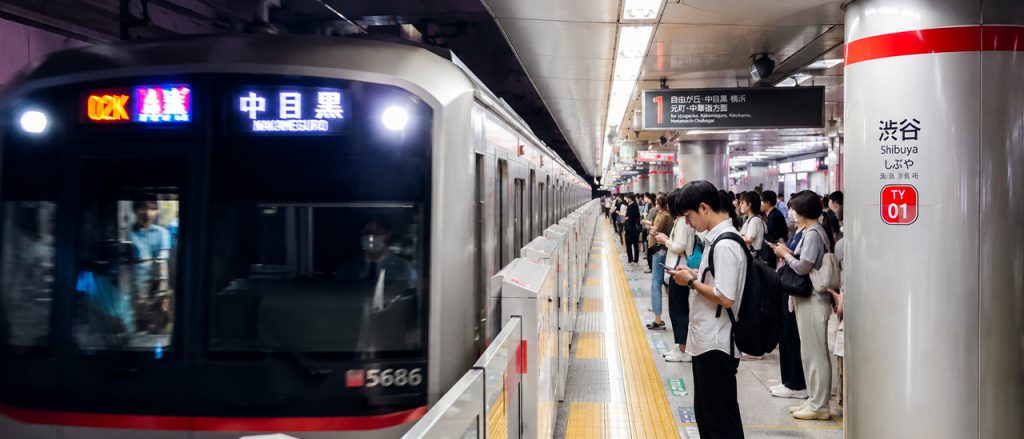
Once you move to Japan as a foreigner, the next challenge is adapting to everyday life. While Japan is known for its efficiency, safety, and convenience, daily routines and cultural norms may be different from what you’re used to in your home country.
Understanding how everyday systems work after you move to Japan as a foreigner, from transportation and shopping to banking and essential services, will help you settle in faster and feel more confident in your new life.
Transportation in Japan
One of Japan’s biggest advantages is its transportation network.
Major cities such as Tokyo, Osaka, and Kyoto offer:
- extensive train networks;
- reliable schedules;
- convenient buses;
- easy connections between neighborhoods.
For daily transportation, most residents use rechargeable IC cards such as:
- Suica;
- PASMO;
- ICOCA.
These cards can be used for trains, buses, convenience stores, and some restaurants.
Shopping and Daily Necessities
Japan makes everyday shopping convenient thanks to:
- convenience stores (konbini);
- supermarkets;
- pharmacies;
- online shopping platforms.
Popular daily destinations include:
Convenience Stores
Japanese convenience stores are an important part of daily life. They offer:
- meals;
- drinks;
- ATM services;
- parcel delivery;
- household items.
Supermarkets
For people living independently, supermarkets are usually the best option for affordable groceries. Shopping at local supermarkets instead of eating out every day can significantly reduce monthly expenses.
Paying in Japan
Japan has traditionally been known as a cash-based society, although digital payments have become increasingly common. Foreign residents should prepare for both options.
Useful payment methods include:
- credit cards;
- debit cards;
- mobile payments;
- cash.
Keeping some cash available is still recommended, especially outside major cities.
Building a Comfortable Routine
The first months after moving abroad can feel challenging. Creating simple routines can make your transition easier:
- learn your neighborhood;
- identify nearby supermarkets and pharmacies;
- save important addresses;
- learn basic Japanese expressions;
- explore local communities.
Small habits help transform a foreign place into a real home.
Cultural Differences to Know Before Moving to Japan
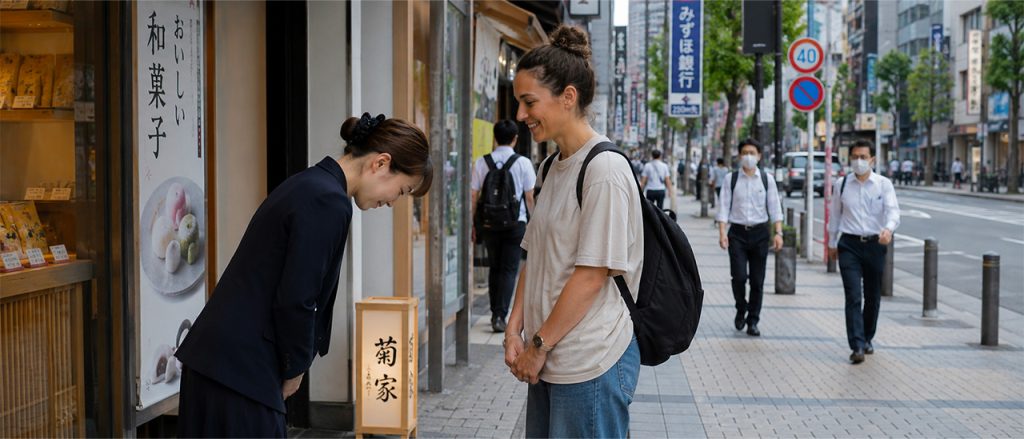
When you move to Japan as a foreigner, one of the most rewarding experiences is discovering a culture that is both unique and deeply rooted in tradition. While Japan is welcoming to international residents, understanding local customs and social etiquette before you arrive will make your transition smoother and help you adapt more quickly.
Before you move to Japan as a foreigner, it’s worth learning a few essential cultural norms. This is not about becoming “Japanese,” but about showing respect for local customs, communicating effectively, and avoiding common misunderstandings during your first weeks in Japan.
Respect for Rules and Shared Spaces
Japanese society places a strong emphasis on respecting others and maintaining harmony in public spaces.
This often means:
- keeping noise to a minimum on public transportation;
- following garbage sorting rules;
- respecting apartment building regulations;
- waiting patiently in queues;
- arriving on time for appointments.
These small habits quickly become part of daily life and are appreciated by both neighbors and colleagues.
Communication Is Often Indirect
Communication styles in Japan can be different from what many foreigners are used to.
People may avoid saying “no” directly and instead use softer expressions to maintain harmony.
For newcomers, this means it is important to:
- listen carefully;
- pay attention to context;
- avoid interpreting indirect answers too literally;
- ask polite follow-up questions if something is unclear.
You do not need to speak fluent Japanese to communicate effectively, but understanding these communication styles will make everyday interactions easier.
Learning Basic Japanese Makes Everyday Life Easier
Many people in major cities speak some English, especially in tourist areas. However, outside international environments, daily life often takes place in Japanese.
Learning a few essential phrases before moving can make a significant difference.
Useful expressions include:
- greetings;
- thanking someone;
- asking for help;
- ordering food;
- asking for directions;
- shopping vocabulary.
Even basic Japanese demonstrates effort and is often appreciated by locals.
Workplace and School Culture
If you are relocating for work or study, you may notice differences in expectations.
For example:
- punctuality is highly valued;
- teamwork often takes priority over individual recognition;
- formal communication is common in professional settings;
- respecting schedules and deadlines is expected.
Understanding these differences early can help you integrate more comfortably.
Building a Social Life Takes Time
Many newcomers worry about making friends after moving abroad.
While Japanese people are generally polite and welcoming, friendships may develop more gradually than in some other countries.
Good ways to meet people include:
- language exchanges;
- university clubs;
- local events;
- sports communities;
- hobby groups;
- volunteering.
International communities are also active in most major cities and can help newcomers settle in.
Common Mistakes Foreigners Make When Moving to Japan

Relocating to another country always involves a learning curve. Fortunately, many of the most common mistakes are easy to avoid with proper preparation. Here are some of the biggest mistakes foreigners make when moving to Japan.
Waiting Too Long to Find Accommodation
Many newcomers underestimate how competitive the housing market can be, especially in cities like Tokyo and Osaka.
Waiting until the last minute can result in:
- fewer housing options;
- higher prices;
- temporary hotel stays;
- unnecessary stress.
Whenever possible, start searching for accommodation before your departure.
Underestimating Initial Moving Costs
Many people only budget for monthly rent.
In reality, your first month often includes:
- flights;
- accommodation;
- transportation;
- household essentials;
- administrative expenses;
- emergency purchases.
Creating a relocation budget before moving will help you avoid financial surprises. For a detailed cost breakdown, explore our guide on renting costs in Japan.
Choosing Housing Based Only on Rent
A cheaper apartment is not always the best option.
Before signing a contract, consider:
- commuting time;
- nearby supermarkets;
- train stations;
- neighborhood safety;
- internet availability;
- furniture and appliances;
- contract flexibility.
Sometimes paying slightly more for a better location significantly improves your quality of life.
Ignoring Japanese Rental Rules
Japanese rental agreements often include specific rules regarding:
- noise;
- garbage disposal;
- visitors;
- pets;
- moving out procedures.
Understanding these expectations before signing a lease can prevent misunderstandings later.
Trying to Do Everything Alone
Many foreigners believe they need to navigate every administrative process independently.
In reality, universities, employers, relocation services, and international-friendly housing providers are there to help.
Asking questions early often saves both time and money.
Final Checklist Before Moving to Japan
Preparing for an international relocation involves dozens of small tasks. Checking everything before your departure will make your arrival much smoother.
Use this checklist as a final review before boarding your flight.
Before You Leave
- Secure the appropriate visa.
- Confirm your accommodation.
- Book your flight.
- Prepare enough savings for your first few months.
- Scan and back up important documents.
- Purchase travel insurance if needed.
- Check medication import regulations.
- Notify your bank about international travel.
- Download essential apps for transportation, translation, and navigation.
- Learn a few basic Japanese phrases.
After Arriving in Japan
- Move into your accommodation.
- Register your address.
- Enroll in National Health Insurance if applicable.
- Open a Japanese bank account.
- Obtain a Japanese phone number or SIM card.
- Purchase everyday necessities.
- Explore your neighborhood.
- Learn your commuting route.
- Start building your local network.
Final Thoughts
Moving to Japan as a foreigner is an exciting milestone, but successful relocation starts long before your flight. Understanding visa requirements, preparing your finances, choosing the right accommodation, and becoming familiar with daily life will make your transition significantly easier.
Although the process may seem complex at first, thousands of international students, professionals, and long-term residents successfully relocate to Japan every year. With the right preparation, you’ll be able to focus less on paperwork and more on enjoying everything Japan has to offer.
One of the biggest decisions you’ll make before arriving is choosing where you’ll live. Having comfortable, fully furnished accommodation ready from day one can save you time, reduce stress, and help you settle into your new life much faster.
At Enkostay, we help international residents find furnished homes across Japan with a simpler rental process designed for foreigners. Whether you’re moving for university, work, or a Working Holiday, finding the right home before you arrive is one of the best ways to start your new chapter with confidence.
Related Articles
Continue planning your move to Japan with our expert guides:
📖 Renting in Japan
- How to Rent an Apartment in Japan as a Foreigner
- How to Rent an Apartment in Japan Without Speaking Japanese
- Traditional vs Furnished Apartments in Japan: Which One Is Right for You?
- How Much Does It Cost to Rent an Apartment in Japan? Complete Cost Breakdown (2026)
🏙️ Choosing Where to Live
- Where Should You Live in Japan? Ultimate City & Neighborhood Guide (2026)